Park City Council Approves Clark Ranch Conservation, Limits Housing to 10 Acres
Park City Council has approved a conservation easement for Clark Ranch, limiting housing development to 10 acres.
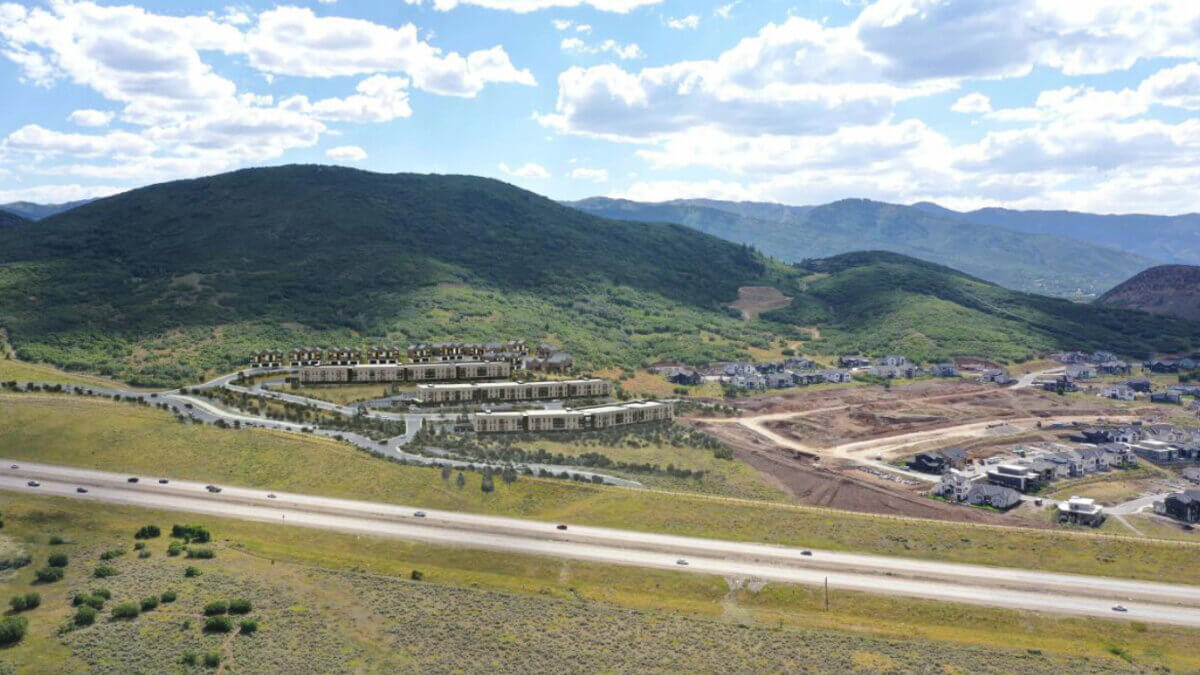
PARK CITY, Utah — The Park City Council has unanimously approved an updated conservation easement for the city-owned Clark Ranch property after extensive public discussions and delays. This decision permanently preserves 329 acres of the 344-acre site as open space, while the remaining 15 acres are excluded from the easement for a proposed housing project led by The Alexander Company from Wisconsin.
The envisioned development aims to provide approximately 200 units of workforce housing, specifically targeting households earning between 50% and 70% of the area median income. In Summit County, this income range is approximately $59,000 to $82,600 annually for a one-person household. City Environmental Sustainability Manager Luke Cartin stated that although 15 acres are excluded from the conservation easement, only 10 acres will be used for the affordable housing development and its associated infrastructure. This is a revision from a previous proposal made on November 6, where the entire 15 acres were initially considered.
The remaining five acres will act as a buffer until the specific site for development is finalized, at which point those acres will also receive the same level of open space protection as the rest of the Clark Ranch property. Clark Ranch, situated in the Quinn’s Junction area near Park City Heights, was acquired by the city in 2014 through Resort Communities Tax funds. While a significant portion of the land has been designated for conservation, city officials have indicated that a limited area was always planned for civic use.
Concerns regarding the potential size of the development area led to a postponement of the vote on the easement in early November. Council members expressed the need to ensure that the agreement did not inadvertently permit development beyond the designated 10 acres. During a recent meeting, Cartin highlighted that the easement would allow some limited features, such as roads or parking for recreational purposes, including trailheads and community gathering spaces.
Utah Open Lands, the organization responsible for holding and enforcing the easement, will ensure that the council's intentions are upheld. City staff indicated that a joint meeting of the City Council and Planning Commission is anticipated in early 2026 to determine the specific 10-acre site for development. Any significant modifications to the conserved land, including large infrastructure proposals, will require approval from Utah Open Lands.