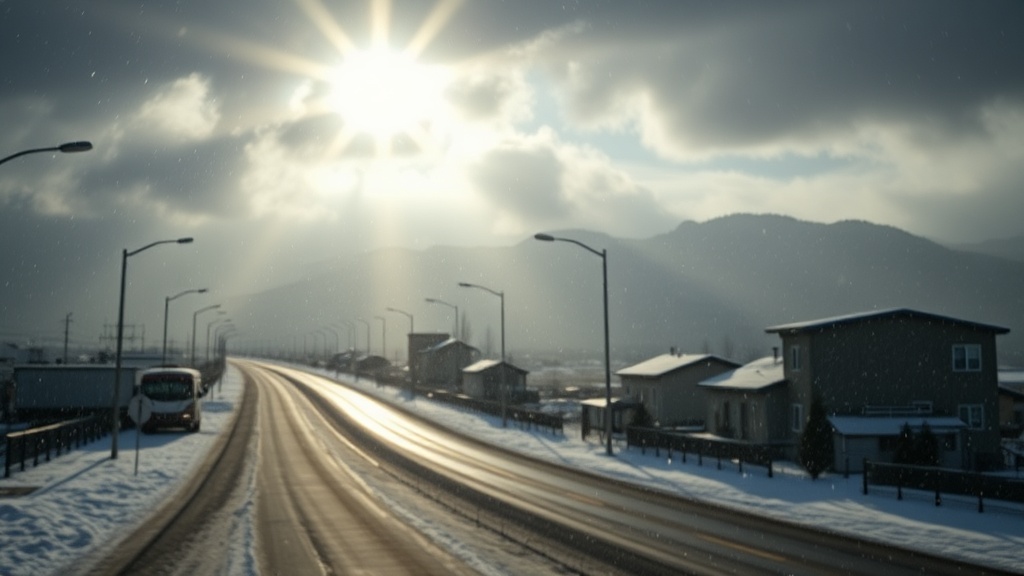
Northern Utah Faces Building Inversions and Rainy Start to New Year 2026
Northern Utah is facing building inversions and rain as it welcomes 2026, impacting air quality and snow levels.
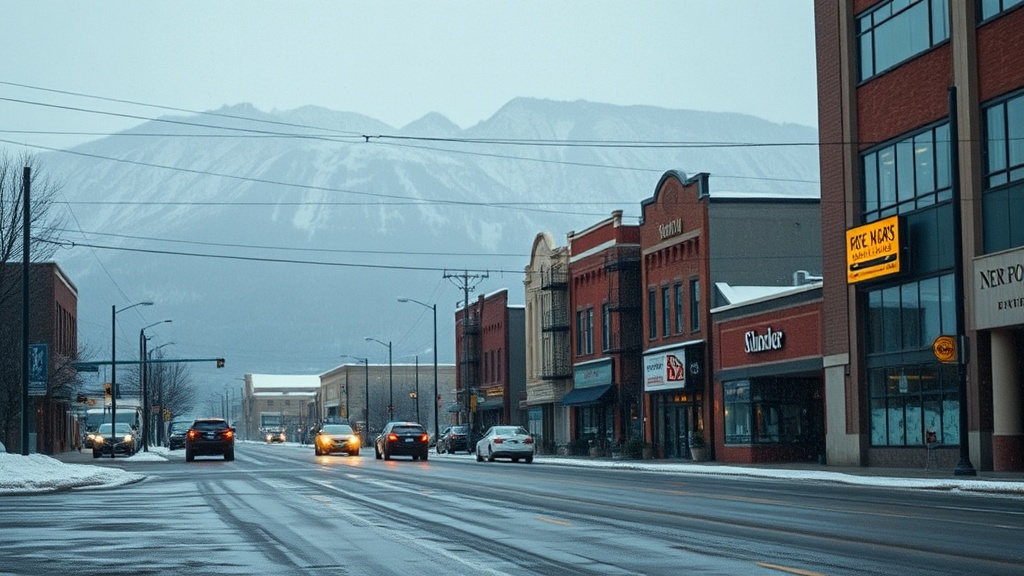
As the year 2025 draws to a close, residents of northern Utah are bracing for a combination of weather phenomena that will influence the region's atmosphere and outdoor activities over the New Year’s weekend. Meteorologists have indicated that temperature inversions are expected to intensify in the valleys of northern Utah, leading to cooler temperatures and an increase in hazy conditions. Meanwhile, moisture is set to return to the state, heralding the arrival of rain in the valleys and snow in the mountains just in time for New Year’s Eve.
Temperature inversions occur when a layer of warm air traps cooler air near the surface, preventing it from rising. This phenomenon is particularly common in northern Utah during the winter months due to the unique topography of the region, which includes deep valleys surrounded by mountains. According to the National Weather Service (NWS), residents can expect cool temperatures to persist, with daytime highs remaining lower than average for this time of year. The inversion layer can lead to stagnant air, resulting in reduced air quality and the buildup of pollutants, which can pose health risks, particularly for those with respiratory conditions.
"Inversions can create some of the worst air quality conditions we experience in Utah, especially during the winter months," said Dave L. Smith, a meteorologist with the NWS. "People with asthma or other respiratory issues should be particularly cautious during this time. We strongly recommend limiting outdoor activities, especially strenuous ones, until conditions improve."
On the other hand, as the New Year approaches, a shift in the weather pattern is anticipated. Moisture from the Pacific Ocean is expected to move into the region, bringing with it precipitation that is likely to begin on New Year’s Eve. This precipitation will manifest as rain in the valley areas and snow in the higher elevations, providing much-needed moisture to the state. Utah’s mountains, which have faced a historically dry winter, will benefit from the snowfall, which is crucial for the state’s water supply in the coming months.
"The moisture we’re expecting is a welcome relief for our mountains, which have been lagging behind in snowpack this season," explained Jane T. Miller, a climatologist at the Utah Department of Natural Resources. "Ski resorts in the area will be able to open more terrain, and our water reservoirs will be better positioned heading into the spring melt."
Weather forecasts indicate that precipitation will continue into the New Year, with varying intensities expected throughout the state. Northern Utah can expect rain showers to persist into the early hours of January 1, 2026, while the mountains will likely see significant snowfall. Ski resorts, already preparing for the holiday crowds, are optimistic about the upcoming storm, which will enhance their offerings for winter sports enthusiasts.
"We’ve been monitoring the weather closely, and it looks like we’re going to get a good boost in snow just as we enter the new year," said Mark R. Johnson, the director of marketing for a popular ski resort in the Wasatch Mountains. "This could be a game-changer for us, especially after a slower start to the season. We’re excited to welcome visitors with fresh powder on the slopes."
While the forecast presents a mixed bag of weather conditions, it also comes with some challenges. Areas prone to flooding or mudslides due to recent wildfires may need to remain vigilant as rain begins to fall. Authorities are urging residents in those regions to stay updated on weather alerts and be prepared for potential flooding.
"We are monitoring the conditions closely and will keep the public informed about any necessary precautions or evacuations," stated Sarah P. Greene, a spokesperson for the Utah Department of Emergency Management. "Safety is our top priority, and we encourage everyone to stay informed and prepared, especially as we welcome the new year."
In conclusion, as northern Utah transitions from 2025 to 2026, residents will experience a blend of weather challenges and benefits. The intensifying temperature inversions could affect air quality, while the incoming moisture is set to rejuvenate the snowpack in the mountains and provide seasonal rain in the valleys. As Utahns prepare to ring in the New Year, they are reminded of the importance of staying informed about weather conditions and taking necessary precautions to ensure their safety during this transitional time. With an eye toward the future, the upcoming weather patterns will not only impact immediate outdoor activities but also play a critical role in the region's water supply for the year ahead.