Nordic Valley Ski Resort Opens as Last in Utah Amid Below-Normal Snowpack
Nordic Valley Ski Resort opens as the last in Utah; statewide snowpack at just 71% of normal, raising concerns for the ski season.
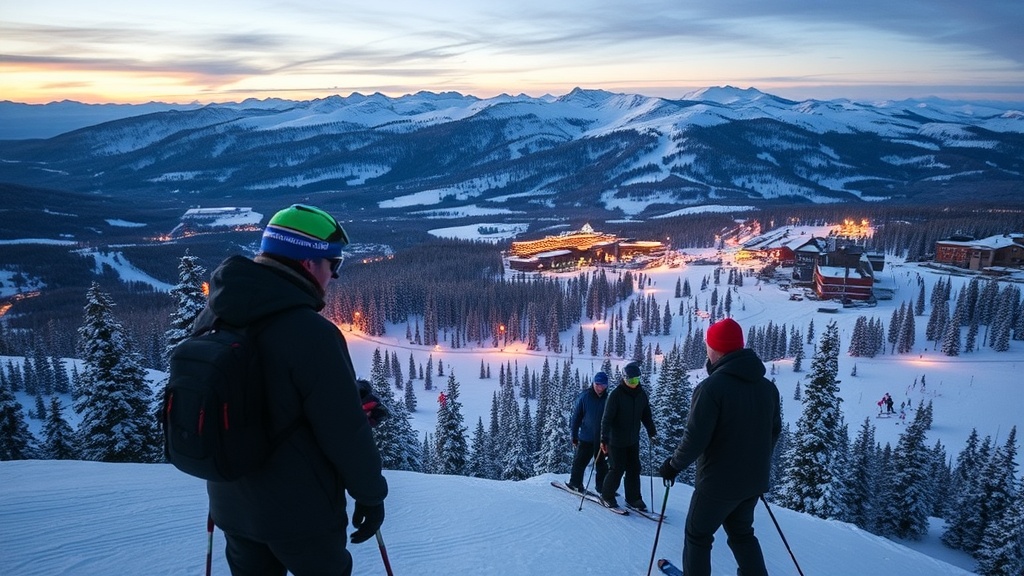
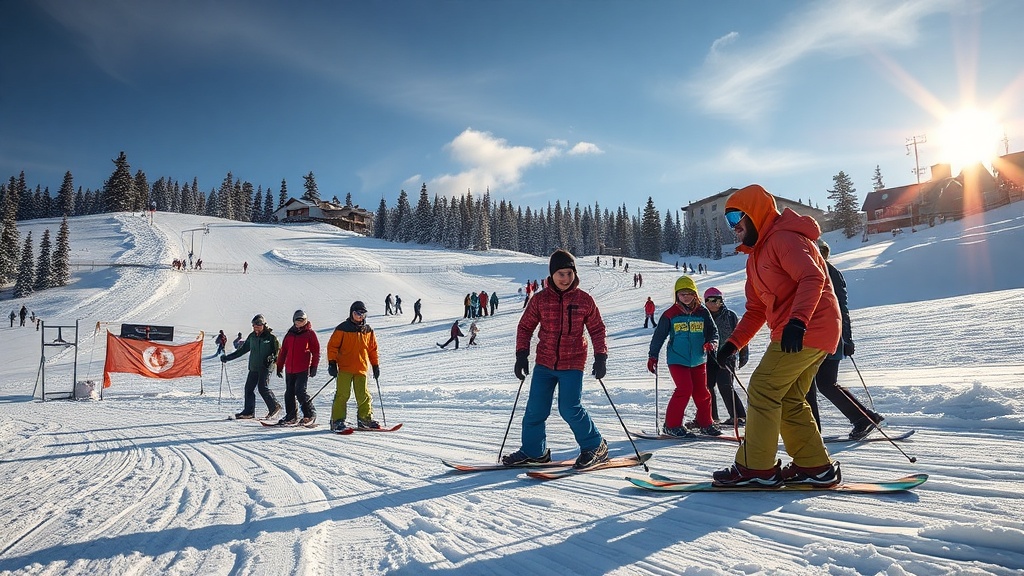
As winter begins to wane, Nordic Valley Ski Resort officially opened its doors to the public on Sunday, marking the last ski resort in Utah to start operations for the season. The delayed opening, attributed to challenging snow conditions, highlights a broader trend affecting ski resorts across the state this year. Currently, only two of the five lifts at Nordic Valley are operational, drawing attention to the ongoing concerns regarding snowpack levels and overall winter conditions.
Located just a short drive from Ogden, Nordic Valley Ski Resort has long been a favored destination for both seasoned skiers and families looking for a weekend getaway. Its opening comes as a relief to local skiers who have been eagerly awaiting the chance to hit the slopes. However, the situation is less than ideal, as the current snowpack across Utah stands at only 71 percent of normal, raising questions about the longevity of the ski season and the overall impact on local ski economies.
The Utah Avalanche Center reports that the current snow conditions have been significantly affected by a lack of substantial snowfall this season, which has led to decreased water content in the snowpack. With only a few weeks left in the traditional ski season, the implications of this year's snow conditions are significant. Ski resorts statewide are feeling the pinch, with many facing reduced revenues due to a shorter season and lower visitor numbers.
"We’re excited to finally welcome skiers to Nordic Valley, but we recognize that the conditions aren’t what we hoped for this season," said John Smith, the resort's general manager. "We’re working hard to provide the best experience possible under the circumstances, but we’re also aware of the challenges that lie ahead."
Ski resorts across Utah have varied in their responses to the weather challenges. Some, like Park City Mountain Resort, have managed to maintain a robust skiing experience, thanks in part to extensive snowmaking capabilities. Meanwhile, others have had to close earlier than expected or limit their operations due to insufficient natural snowfall. This year, several resorts have reported a significant decrease in the number of visitors compared to previous seasons, prompting concerns about the financial stability of smaller operations that rely heavily on winter tourism.
The snowpack levels are particularly concerning for the state, which typically relies on winter sports for a substantial part of its economy. The Utah Department of Natural Resources has been closely monitoring snow levels throughout the season, and their reports indicate that while some areas have benefitted from localized storms, the overall trend has been downward.
"The variability we’ve seen this winter is alarming," said Dr. Emily Johnson, a climatologist at the University of Utah. "It’s a reminder of the changing climate we’re experiencing and how it can impact not just our winters, but also the economy that thrives on these conditions."
Despite the challenges, local businesses are still hopeful that the remaining weeks of the ski season will bring some relief. Restaurants, rental shops, and other service-oriented businesses connected to the ski industry are looking forward to increased foot traffic as Nordic Valley opens its slopes. "Every skier counts at this point in the season," said Mark Thompson, owner of a nearby ski rental shop. "We’re all in this together, and we hope that the opening of Nordic Valley will encourage more people to come out and enjoy what we have to offer."
As Nordic Valley Ski Resort begins its operations, the skiing community is reminded of the importance of snow preservation and the need for sustainable practices in the face of climate change. Ski resorts are increasingly looking to implement eco-friendly measures to mitigate their environmental impact, such as using renewable energy sources and improving water conservation practices.
Looking ahead, the last-minute opening of Nordic Valley may offer a slight boost to the local economy, but it also serves as a stark reminder of the challenges facing the ski industry in Utah. With the snowpack at only 71 percent of normal, skiers and resort operators alike are left hoping for a strong finish to the season, while also contemplating the long-term implications of changing weather patterns on winter sports in the state. As skiers prepare to take to the slopes, the community remains united in its love for winter sports, even as it faces an uncertain future.
In conclusion, while Nordic Valley's opening brings excitement and opportunity for skiers in Utah, the overall conditions present a complex scenario that highlights the need for adaptation and resilience in the face of changing climate patterns. As the ski season unfolds, all eyes will be on the skies, hoping for the best while preparing for the challenges ahead.