New Utah Law Aims to Transform Massage Industry and Combat Stereotypes
Utah's new law seeks to combat stereotypes and enhance safety in the massage industry, addressing illicit practices and restoring trust.
In a significant move to address longstanding stereotypes and illicit activities within the massage industry, Utah has enacted a new law, House Bill 278 (HB278), aimed at reforming the regulatory landscape for massage establishments. The legislation, which was passed during the last legislative session, has been met with optimism from industry professionals, who believe it will help elevate standards and enhance public safety while dismantling damaging perceptions associated with massage therapy.
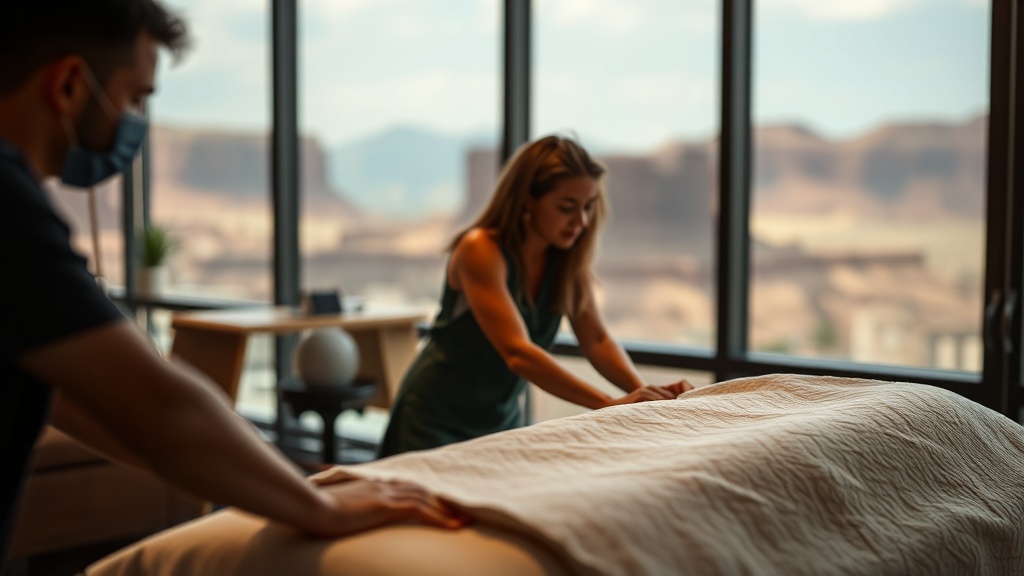
Roger Olbrot, a seasoned sports orthopedic massage specialist and owner of R&R Bodyworks, has been part of the massage industry for nearly three decades. Through his extensive experience, he has encountered the pervasive stigma that often associates massage services with illicit activities. "Out of the starting gate, we get solicited for sexual favors, and that's something we all struggle with continuously. That stigma that massage is sexual is a real challenge for us," Olbrot explained, highlighting the negative impact such stereotypes have on legitimate practitioners.
The passage of HB278 has sparked hope among massage therapists like Olbrot, who was involved in the bill's formulation. The law aims to rectify the fragmented and often ineffective regulatory framework that has allowed unscrupulous operators to exploit weaknesses in local licensing regulations. According to the Department of Commerce, the existing laws surrounding the massage profession were described as a "patchwork mess," with bad actors often using local business permits as a facade to engage in illegal activities.
Margaret Busse, executive director for the Utah Department of Commerce, noted that the Division of Professional Licensing has received numerous complaints from licensed massage therapists who find themselves at the mercy of illicit solicitations. "For years, our Division of Professional Licensing has heard complaints from licensed massage therapists trying to do a good job, who are being actively, and sometimes aggressively, solicited for illicit services," she stated. This trend has not only tarnished the reputation of the industry but has also made it challenging for legitimate practitioners to succeed.
The new law provides state authorities with enhanced enforcement capabilities to target those who tarnish the industry's image. As of now, there are approximately 195 illicit massage businesses (IMBs) operating in Utah. Before the enactment of HB278, these establishments could exploit administrative loopholes that left owners unaccountable, with only individual workers facing penalties. The new legislation closes these gaps by shifting accountability from exploited workers to the exploiters themselves.
DOPL Director Mark Steinagel highlighted the difficulties in identifying individuals associated with IMBs, noting that less than a third of such establishments show a registered key individual, and only about a fourth have an owner listed on their business documents. "It’s been very difficult in Utah and nationally to figure out who these individuals are," Steinagel remarked.
Under the new law, significant changes will be implemented across all massage establishments in Utah, which will be required to register with DOPL starting in early spring 2026. Key provisions include mandatory criminal background checks for anyone with at least a 10% stake in the business, including officers, directors, and managers. Additionally, establishments must display DOPL registration signage prominently and grant DOPL the authority to conduct inspections at any time.
Steinagel emphasized the importance of collaboration between DOPL and law enforcement in these inspections, stating, "Often, we will be undertaking those inspections with the partnership of law enforcement due to the shared responsibility we have to address illicit massage businesses."
The implications of this legislation extend beyond regulatory compliance; they also aim to restore consumer confidence in the massage industry. Olbrot expressed optimism regarding the potential for change, stating, "Consumers will be able to have a much better sense of safety. If nothing else, they can feel reassured that this person is a good person, trying to do a real job."
For those seeking massage services in Utah, there are new guidelines to follow. Clients are encouraged to verify a business’s licensing status through the Division of Professional Licensing's website before making appointments. Additionally, clients must be informed of the first name and last initial of the licensed individual performing the service, as well as their license type. Importantly, licensed massage therapists are prohibited from touching certain private areas of the body, further protecting clients from inappropriate conduct.
In conclusion, the enactment of House Bill 278 marks a pivotal moment for the massage industry in Utah, aiming to combat damaging stereotypes, enhance regulatory oversight, and improve consumer safety. For practitioners like Roger Olbrot, this legislation represents a hopeful turning point that could redefine the industry’s future and restore trust in the vital services they provide.