Minneapolis Community Reacts to Fatal Shooting by ICE Officer
Minneapolis is on high alert after the tragic shooting of Renee Macklin Good by an ICE officer, sparking widespread protests and demands for accountability.
Minneapolis is grappling with heightened tensions following the tragic shooting of 37-year-old Renee Nicole Macklin Good, who was fatally shot in the head by an officer from the U.S. Immigration and Customs Enforcement (ICE) on Thursday evening. The incident, which has drawn widespread condemnation from local community leaders, activists, and political officials, raises serious questions about ICE’s presence in Minnesota and the agency's operational protocols.
Witnesses reported that the shooting occurred during an operation targeting individuals suspected of being in the country illegally. According to local law enforcement, officers were attempting to apprehend a suspect when Renee Macklin Good was shot. Eyewitness accounts suggest that the situation escalated quickly, with some residents expressing confusion about the events leading up to the shooting, which occurred in a residential neighborhood. As news of the shooting spread, it ignited a wave of protests and calls for accountability from various community groups.
Local officials, including Minneapolis Mayor Jacob Frey, have been vocal in their demands for ICE to cease operations in the state. "This tragic event underscores the urgent need for both a reevaluation of ICE’s protocols and a commitment to ensuring the safety of our communities," Frey stated during a press conference. The mayor's remarks were echoed by several city council members who joined a growing chorus of voices calling for the agency to withdraw its operations from Minnesota.
In contrast, U.S. Secretary of Homeland Security Kristi Noem reaffirmed the federal government's commitment to ICE’s operations, stating, "The safety and security of our nation is our top priority, and ICE plays a critical role in that mission. We will not be removing our agents from any state." Noem’s statement has intensified the debate, as many residents feel caught between federal enforcement actions and local governance.
Renee Macklin Good was a beloved figure in her community, known for her dedication to social justice and her work with local advocacy groups. Friends and family describe her as a caring person who was always willing to lend a helping hand. "It’s heartbreaking to lose someone like Renee, who was committed to making our community a better place," said her close friend Maria Sanchez. "She was a voice for the voiceless, and now we need to ensure her death is not in vain."
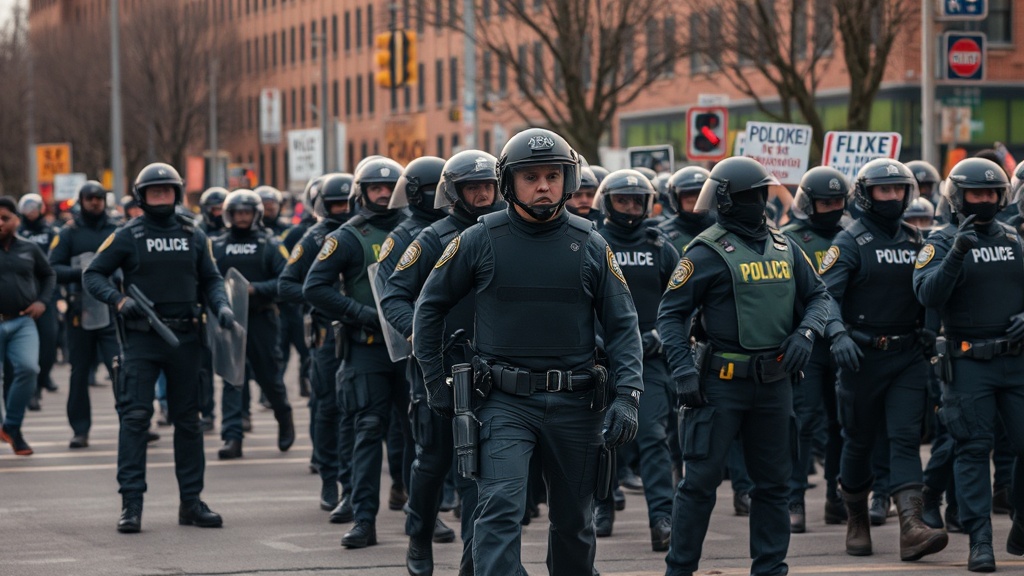
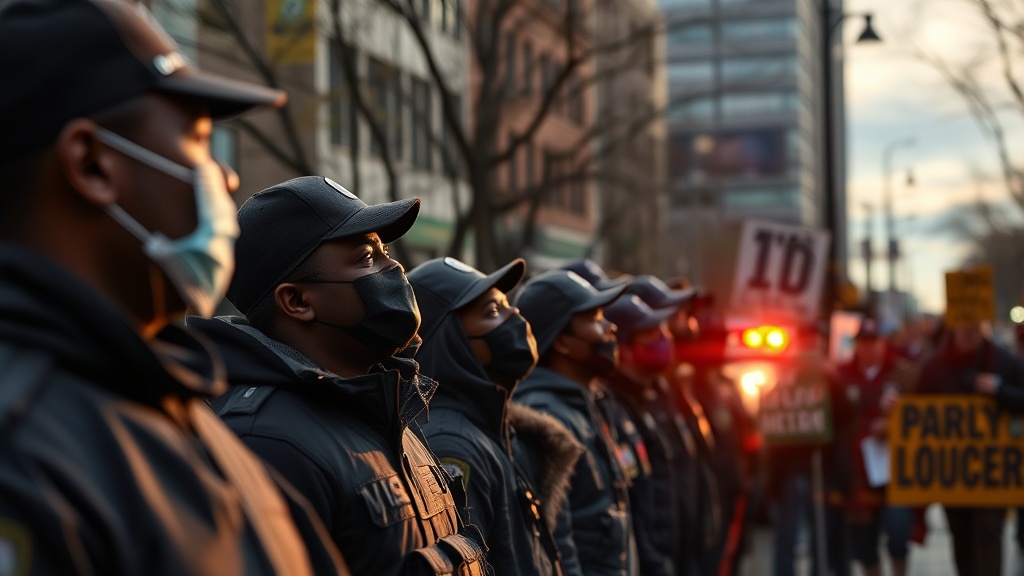
As protests erupted in the streets, demonstrators chanted slogans calling for justice, demanding transparency from ICE regarding its practices and the circumstances surrounding Macklin Good's death. Activists have also called for a thorough investigation, urging local law enforcement to collaborate with community organizations to ensure that all aspects of the incident are examined. Many protesters carried banners reading, "Justice for Renee" and "Stop the Raids!" as they marched through downtown Minneapolis.
The implications of this incident extend beyond the immediate community. It reflects a broader national debate about immigration enforcement and the role of ICE in local neighborhoods. Critics argue that such enforcement actions often lead to fear and distrust among immigrant communities, making them less likely to report crimes or seek help. The Minneapolis shooting has brought these concerns to the forefront, inspiring discussions about the need for reform in how ICE operates.
In the aftermath of the shooting, community leaders are urging for a more inclusive dialogue about immigration policies and community safety. "We need to have a serious conversation about how we can protect our neighborhoods while ensuring that everyone feels safe and supported," said local activist Jamal Ali. "This tragedy has highlighted the fractures in our system that need to be urgently addressed."
As the investigation into Renee Macklin Good’s death continues, the community remains on edge, seeking answers and accountability. The local chapter of the American Civil Liberties Union (ACLU) has also weighed in, calling for full transparency regarding the operational protocols of ICE and urging local authorities to take a stand against what they describe as aggressive tactics.
The Minneapolis Police Department has stated that they are cooperating with federal investigators, but many residents remain skeptical about the outcomes of such inquiries. As they await more information, the community is rallying together, driven by a spirit of solidarity and a commitment to justice for Renee Macklin Good. The incident serves as a painful reminder of the complexities surrounding immigration enforcement and the urgent need for reform that prioritizes human rights and community safety.
In conclusion, the shooting of Renee Macklin Good has sparked a significant outcry in Minneapolis, challenging both local and federal authorities to rethink their approach to immigration enforcement. As the community mourns, it also mobilizes to advocate for change, ensuring that the tragic loss of a beloved community member leads to meaningful discussions about safety, justice, and accountability.