Latter-day Saint Evelyn Caceres Faces Difficult Decision to Self-Deport
Evelyn Caceres, a Latter-day Saint convert, faces the painful decision to self-deport after fleeing gang violence in El Salvador, highlighting the challenges immigrants endure.
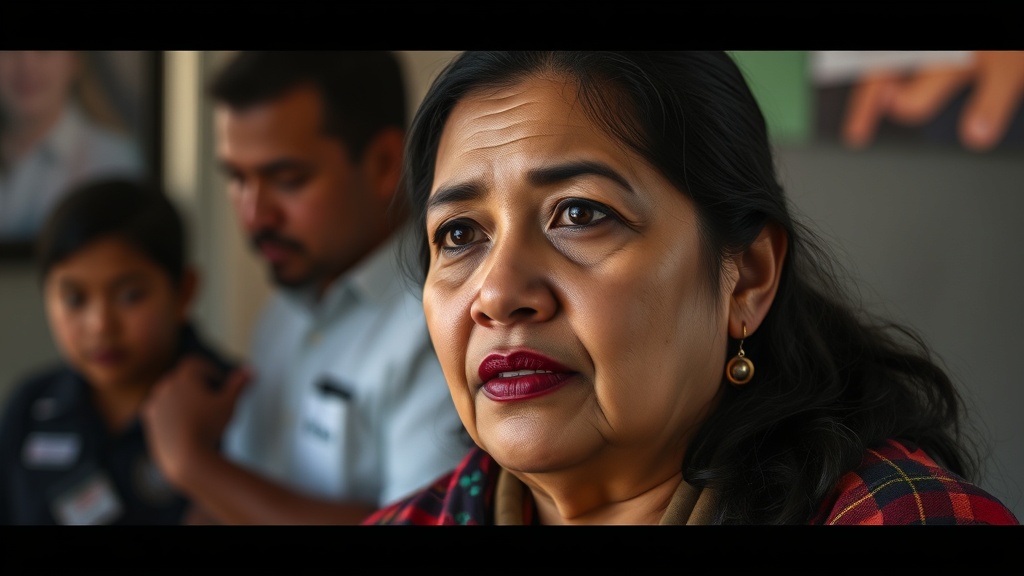
In a heart-wrenching decision, Evelyn Caceres, a Latter-day Saint convert, is preparing to self-deport from the United States, a move that comes after years of fleeing violence in her native El Salvador. Caceres, a single mother of two, has faced unimaginable hardships that led her to leave her homeland in search of safety and a better life for her children. Her journey, marked by loss and resilience, highlights the struggles faced by many immigrants seeking refuge from gang violence and poverty.
Caceres’s story begins in El Salvador, a country grappling with high levels of gang violence and crime. She lost her sister to a gang-related murder, a tragedy that shook her family to its core. Years later, Caceres found herself and her daughters in grave danger when a gang threatened their lives, demanding that she pay them a sum of money she could not afford. "I had no choice but to leave," Caceres said, her voice heavy with emotion. "I was scared for my life and for my children. My only option was to follow my sister’s path to the U.S."
In 2015, Caceres made the harrowing journey north, crossing borders and risking everything in pursuit of safety. Upon arriving in the United States, she sought refuge in the Latter-day Saint community, finding solace and support from local congregations. The Latter-day Saints, known for their emphasis on family and community, welcomed her with open arms, providing assistance as she navigated her new life in a foreign country.
However, the challenges persisted. Caceres faced legal hurdles in her quest for permanent residency. Her initial application for asylum was denied, and subsequent attempts to rectify her immigration status have been met with obstacles. Despite her efforts to secure a stable life for her family, she has found herself ensnared in a complex immigration system that offers little clarity or hope.
As Caceres prepares to self-deport, the emotional toll is palpable. "I will have to start from scratch, and I fear for my children’s safety if we go back," she explained. The thought of returning to El Salvador fills her with dread, as she recalls the violence that drove her away. "I worry about what might happen to us. The gangs don’t forget. They’ll be waiting."
Caceres’s situation is not unique; many immigrants find themselves in similarly precarious positions, caught between the desire to build a new life and the harsh realities of immigration policies. Advocates for immigrant rights argue that the system is in dire need of reform, emphasizing the need for compassion and understanding in addressing the plight of those fleeing violence and persecution.
As she prepares for her difficult journey back to El Salvador, Caceres reflects on her time in the United States. "I have made friends, learned so much, and for a moment, I felt safe," she stated, her voice tinged with bittersweet nostalgia. The community support she received helped her navigate the challenges of single motherhood and immigration, but the fear of returning to a life of danger looms large in her mind.
In a poignant moment, Caceres expressed her hopes for her daughters. "I just want them to have a better life, to be free from fear. I hoped to give them opportunities that I never had." Her dreams of educational and professional success for her children now feel distant, overshadowed by the reality of her impending return.
The broader implications of Caceres’s story resonate deeply in the context of ongoing debates about immigration reform in the United States. As policymakers grapple with how to address the influx of migrants seeking asylum, stories like hers underscore the urgent need for humane solutions that prioritize the safety and well-being of families fleeing violence.
As her departure date approaches, Caceres can only hope for a future where her family can once again feel safe and secure. "I don't know what will happen next, but I pray that one day, I can return to the U.S. with my daughters, not out of fear, but to build a life we can be proud of," Caceres said, her determination shining through the uncertainty. Her story is a reminder of the resilience of the human spirit in the face of hardship, capturing the complexities of immigration and the quest for a better life.
In the end, Caceres’s journey is not just about borders or legal status; it is about family, safety, and the hope for a brighter future. As she embarks on this difficult chapter, her resilience serves as an inspiration to many, illuminating the struggles and triumphs faced by countless immigrants seeking a new beginning amidst adversity.