Kyrsten Sinema Advocates for Civil Discourse Amid Protest Disruptions
Kyrsten Sinema advocates for civility in political discourse after protesters disrupt her speech in Utah.
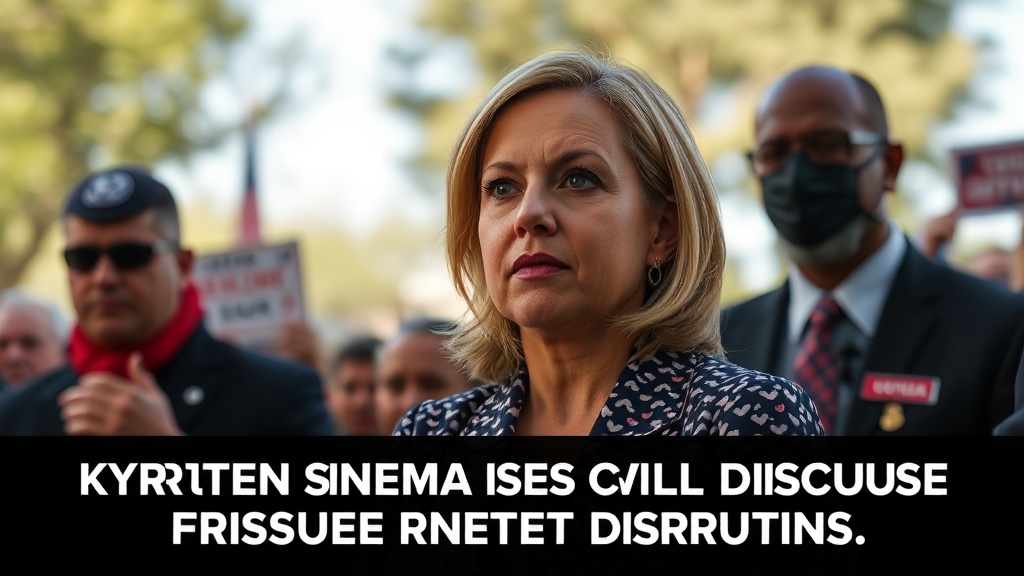
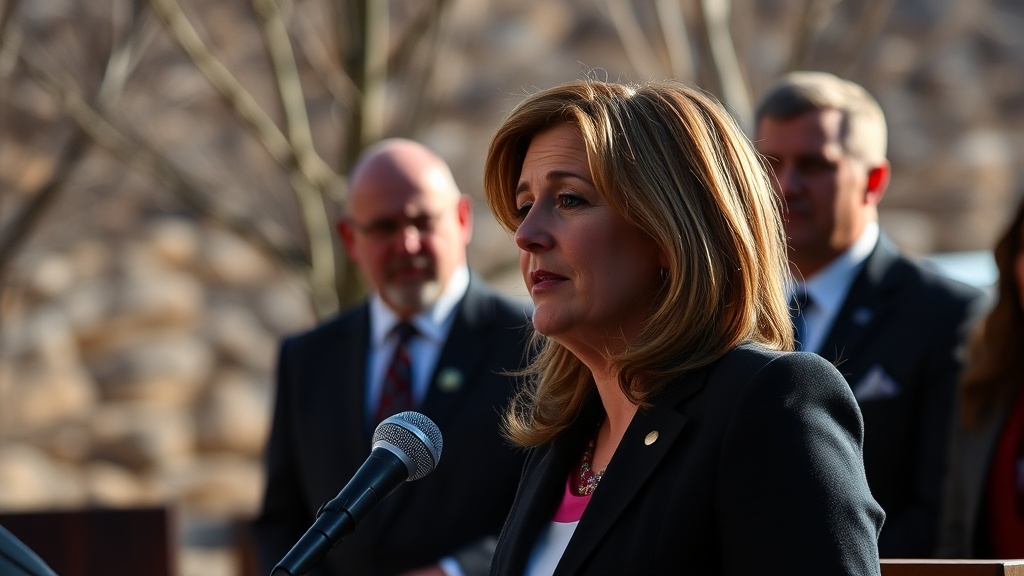
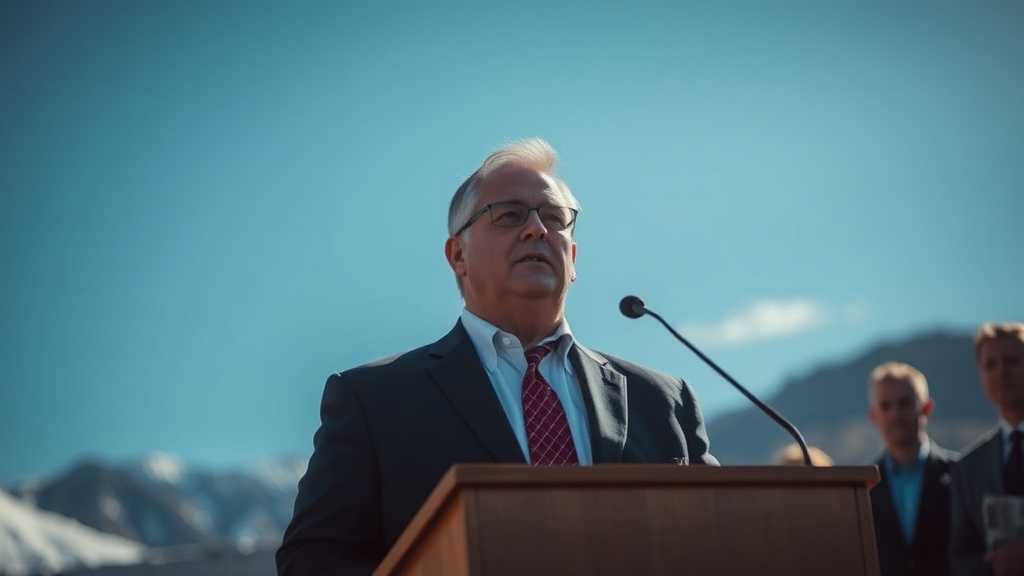
Former Arizona Senator Kyrsten Sinema made headlines during an event alongside Utah Governor Spencer Cox on Friday, as she faced interruptions from two shouting protesters. This incident unfolded at a forum focused on addressing the pressing political and economic challenges facing the nation. Sinema, who has garnered attention for her centrist views and willingness to cross party lines, used the moment to emphasize the necessity of civil discourse in an increasingly polarized political landscape.
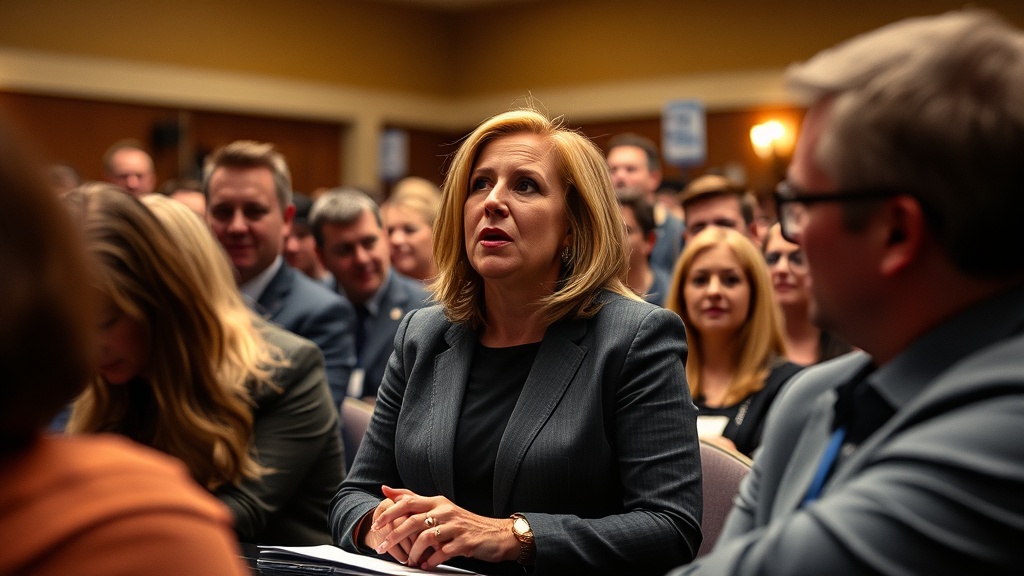
The event, held at a local community center, aimed to foster dialogue around bipartisan solutions to issues like inflation, healthcare, and infrastructure. As Sinema began to speak about the importance of collaboration across party lines, two protestors disrupted her remarks, vocally expressing their discontent with her political decisions and legislative actions. The disruption momentarily diverted the attention of attendees, but Sinema remained composed, pausing to address the protestors directly.
"I appreciate your passion and your willingness to express your views," Sinema stated, illustrating her commitment to engaging with dissenting voices. "But I believe that we can find common ground without resorting to shouting at one another. Civil disagreement is essential for navigating the complexities of our political system."
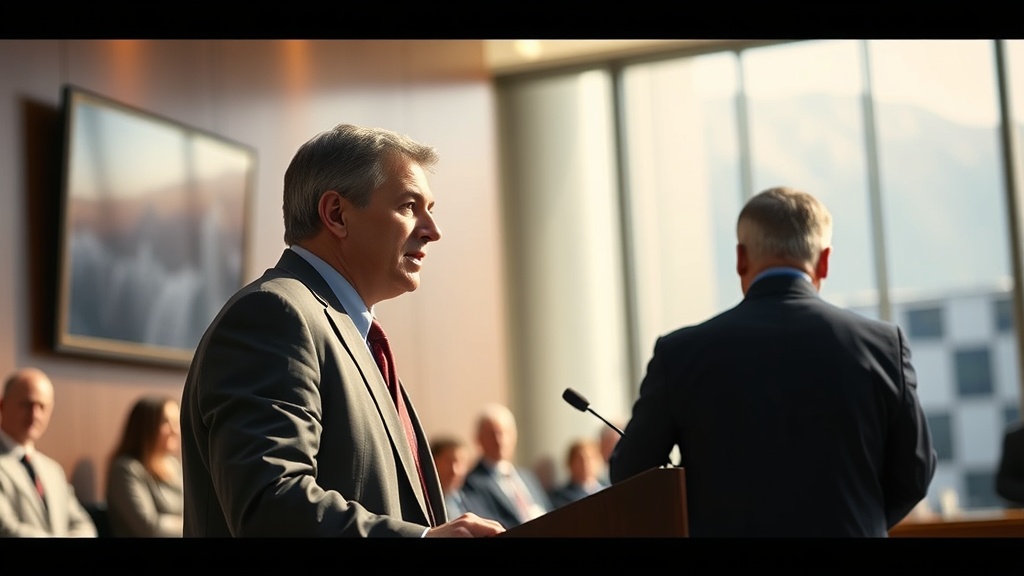
The former senator’s remarks resonated with many in the audience, who applauded her call for respectful dialogue. Governor Cox, who moderated the event, echoed Sinema's sentiments, remarking that constructive conversations are crucial for effective governance. "We may not always agree on every issue, but that doesn’t mean we can’t work together towards a common goal," he said, reinforcing the theme of the evening.
Sinema's approach to politics has often put her in the crosshairs of both progressive and conservative factions. Known for her moderate stance, she has faced criticism from those who feel she has not done enough to advance key Democratic priorities. However, she has also drawn ire from Republicans for her willingness to support measures that align with Democratic principles. This balancing act has made her a polarizing figure in contemporary politics, yet also one who advocates for bipartisan cooperation.
The protest that interrupted her speech is reflective of a broader trend in American political discourse, where public demonstrations have become increasingly commonplace, especially at events featuring prominent political figures. The protesters, who were later escorted out of the venue, highlighted issues such as healthcare access and climate change, indicating a growing frustration among constituents regarding the pace of political change.
In the wake of the protest, Sinema reiterated her belief that addressing urgent social issues requires a commitment to civility. "Disruption can be a tool for change, but we must ensure that it does not overshadow the essential conversations we need to have," she said, reinforcing her message that constructive dialogue is vital for progress.
The implications of Sinema's comments extend beyond this single event. As the nation grapples with a myriad of challenges, including economic downturns and social unrest, the need for civil discourse becomes ever more pressing. Political analysts have noted that fostering an environment where differing opinions can be shared respectfully is crucial for finding solutions that benefit the majority.
Sinema's remarks may also serve as a reminder for future political gatherings, urging attendees and organizers alike to prepare for potential disruptions while staying focused on the goal of constructive engagement. As protests and demonstrations continue to shape the political landscape, the ability to navigate these disruptions with poise and purpose may define the effectiveness of future political leaders.
As the event concluded, many attendees expressed a sense of optimism about the potential for dialogue. "It’s refreshing to hear leaders talk about the importance of civility, especially in times like these," one attendee remarked. "We need more conversations that challenge us to think and to listen, rather than just shout over one another."
In conclusion, Kyrsten Sinema's call for civility in political discourse comes at a crucial time in American politics. As protests increasingly become a vehicle for voicing discontent, the challenge remains for leaders and constituents alike to engage in meaningful discussions that prioritize understanding and cooperation over division. By advocating for civil disagreement, Sinema not only addresses immediate concerns but also sets a precedent for how political discourse can evolve in the future.