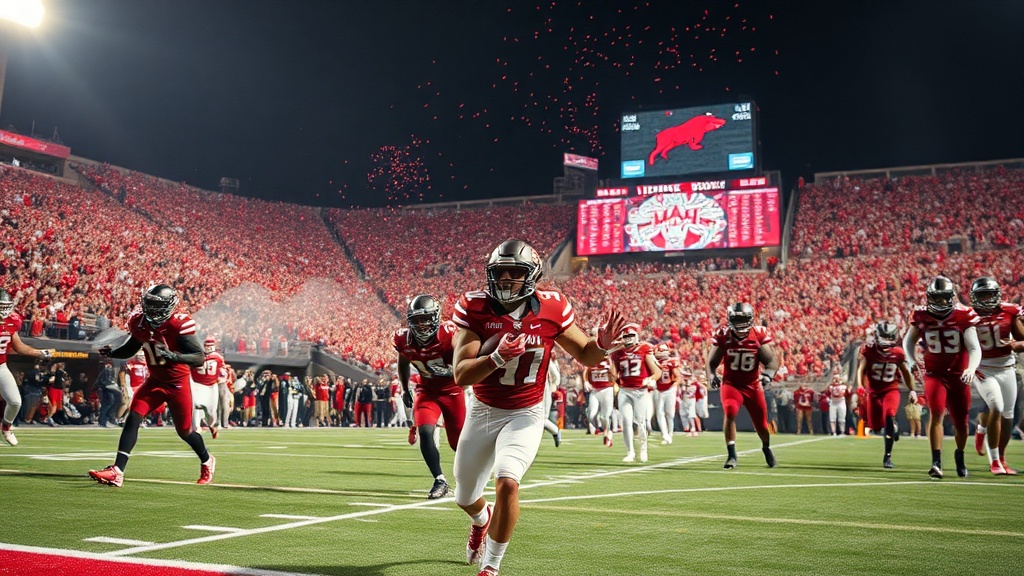
Kyle Whittingham: A Look at the Impact of College Football's Veteran Coaches
Kyle Whittingham's hiring as Michigan's head coach highlights a trend of seasoned coaches taking charge in college football.
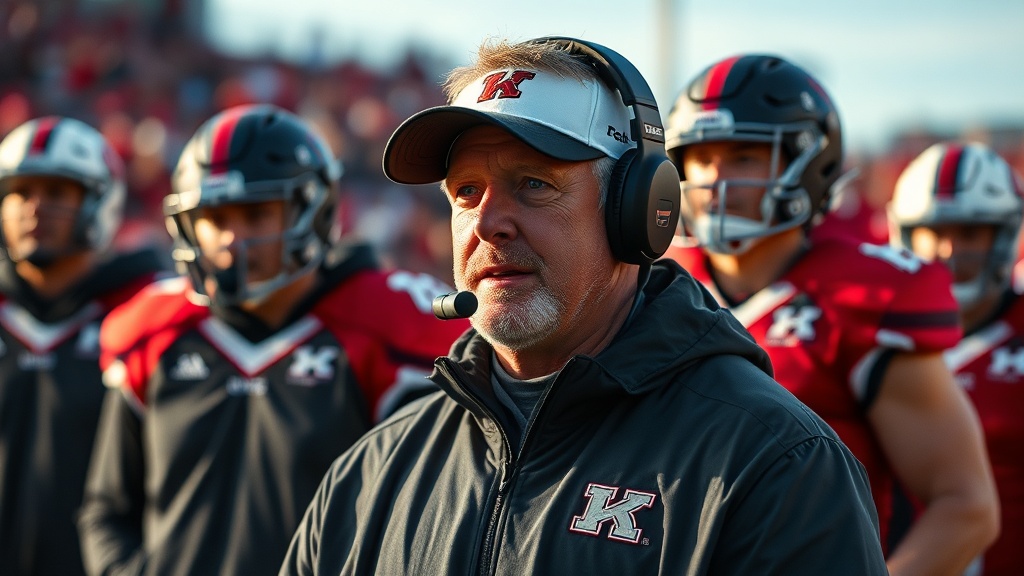
In a surprising turn of events, the University of Michigan announced Kyle Whittingham as its new head football coach. Whittingham, who has spent nearly two decades at the helm of the University of Utah’s football program, is now among the oldest coaches to take on such a prominent role in college football. Born in 1959, Whittingham’s appointment has sparked discussions across the college football landscape, especially regarding the trend of hiring seasoned coaches in a sport that often favors younger, dynamic leaders.
Whittingham's journey in football began in 1985 when he took on a graduate assistant position at Brigham Young University (BYU). At that time, Jim Harbaugh, the coach he is set to replace, had not yet entered the world; Harbaugh was born in 1983. This generational gap highlights the vast experience that Whittingham brings to his new role. Over the course of his career, he has amassed a wealth of knowledge and expertise, having led Utah to multiple bowl games and a memorable Sugar Bowl victory in 2009 against Alabama.
The decision to hire Whittingham reflects Michigan's desire to stabilize its football program amid rising expectations and fierce competition in the Big Ten Conference. After several seasons of inconsistent performance, the program aims to return to its former glory. Whittingham’s proven track record, which includes a remarkable 144-70 record at Utah, makes him a formidable candidate. His teams have consistently demonstrated resilience and a competitive spirit, traits that Michigan hopes will reinvigorate their lineup.
However, Whittingham's age—he is 64—raises questions about the longevity of his coaching career at one of college football’s most storied programs. Historically, college football has seen a trend of younger coaches taking charge, often bringing fresh perspectives and innovative strategies. Coaches like Lincoln Riley, 39, and Dabo Swinney, 52, have led their programs to national prominence in recent years, emphasizing a shift towards youth and energy in coaching.
Yet, age can also be an asset. Whittingham’s extensive experience in various coaching roles, including defensive coordinator and head coach, has equipped him with a deep understanding of the game. This experience is invaluable, particularly in high-pressure situations that often arise during the season. Furthermore, veteran coaches like Whittingham often have established networks and relationships within the college football community, which can be crucial for recruiting top talent.
Whittingham’s hiring follows a broader trend in college football where institutions are beginning to recognize the potential advantages of hiring seasoned coaches. The recent success of older coaches in the sport, such as Nick Saban at Alabama and Gary Patterson at Texas Christian University, underscores this shift. Their accomplishments have led to discussions about the wisdom that comes with age, particularly in a sport that is constantly evolving.
The challenges ahead for Whittingham are clear. Michigan is a program steeped in tradition, and the expectations from alumni and fans are high. The pressure to perform from the outset will be significant, especially given the competitive nature of the Big Ten. The Wolverines have not won a conference championship since 2004, and the urgency to reclaim a top-tier status is palpable.
In his introductory press conference, Whittingham expressed enthusiasm for the opportunity and a commitment to building a program that emphasizes discipline, hard work, and integrity. “I am excited to lead a program with such rich history and tradition,” he stated. “Our goal will be to bring Michigan back to the forefront of college football.” His words resonate with a fan base eager for a turnaround.
As Whittingham steps into this pivotal role, he will undoubtedly draw upon the lessons learned over decades of coaching. His ability to adapt to the changing landscape of college football while remaining true to his coaching philosophy will be critical. Observers will be keen to see how he balances his extensive experience with the modern demands of college athletics.
In conclusion, Kyle Whittingham's hiring as Michigan's head football coach is a significant moment in college football. It marks a departure from the trend of hiring younger coaches while simultaneously embracing the wealth of experience that comes with age. As the dynamics of the sport continue to evolve, Whittingham’s leadership will be closely watched, not only for the results on the field but also for the broader implications it may have on the future hiring practices of college football programs nationwide. The upcoming season promises to be a pivotal one for both Whittingham and the Michigan Wolverines, as they seek to redefine their place in the competitive landscape of college football.