Kouri Richins Case: Attorneys Prepare for Crucial Trial in February 2024
Kouri Richins faces trial for the alleged murder of her husband, Eric, set to begin in February 2024. Attorneys prepare for critical evidentiary hearings.
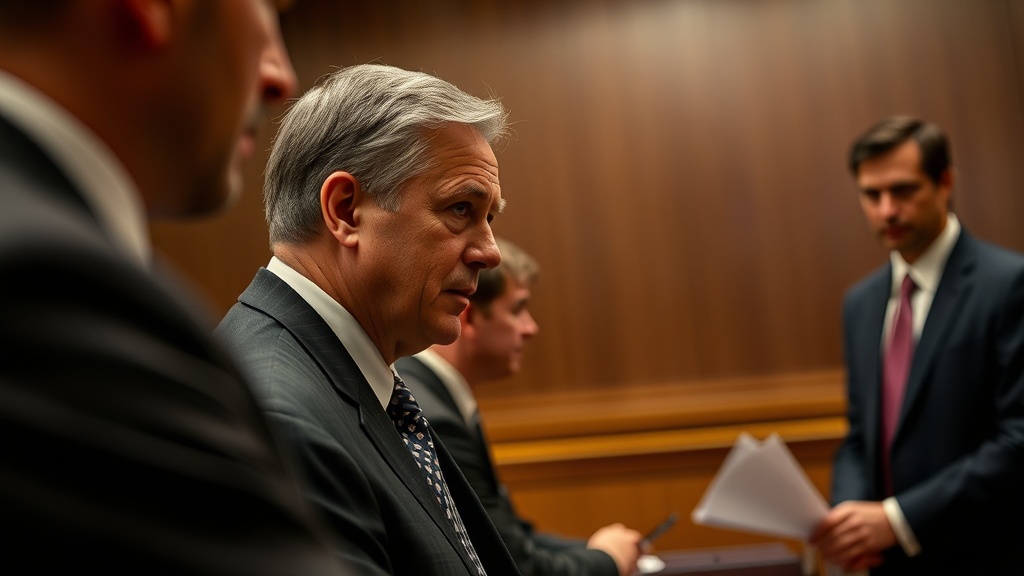
Prosecutors and defense attorneys met virtually on Friday in preparation for the upcoming jury trial of Kouri Richins, a Kamas mother accused of murdering her husband, Eric Richins. The hearing marked another significant step in a case that has captured the attention of the local community and raised numerous questions regarding the circumstances surrounding Eric's death. Scheduled to commence in February 2024, this trial will delve into the intricate details of the case, aiming to uncover the truth behind a tragic event that has left many in shock.
Kouri Richins has been charged with first-degree felony murder, a serious accusation that carries a potential life sentence if convicted. The charges stem from the events of March 4, 2022, when Eric Richins was found unresponsive in their home situated in Kamas, a small town nestled in the Wasatch Range of Utah. According to an initial investigation, law enforcement officials reported that Eric had ingested a lethal dose of fentanyl, leading them to suspect foul play. As the investigation unfolded, Kouri was subsequently arrested and charged with his murder, igniting a media frenzy and public interest in the case.
During Friday’s virtual hearing, attorneys from both sides presented motions and discussed various evidentiary issues that are expected to arise during the trial. The proceedings were conducted via video conferencing, allowing the legal teams to address pre-trial matters without the need for in-person appearances. This method has become increasingly common in the legal field, especially in the wake of the COVID-19 pandemic, as it provides a more efficient means of managing judicial schedules.
One of the key points that emerged during the hearing was the discussion surrounding the admissibility of certain pieces of evidence. Prosecutors are expected to present a range of forensic findings, including toxicology reports indicating the presence of fentanyl in Eric’s system. Additionally, they plan to introduce text messages and financial records that may suggest a motive for the alleged crime. Richins reportedly had significant financial difficulties, which could factor into the prosecution's narrative that her actions were premeditated.
On the defense side, Kouri Richins’s attorneys have vehemently denied the charges, arguing that the evidence against her is circumstantial at best. They are expected to challenge the prosecution's narrative by arguing that there is insufficient evidence to prove beyond a reasonable doubt that Kouri was responsible for her husband's death. Her legal team may also introduce alternative theories regarding Eric's death, suggesting that other factors could have contributed to his demise.
The case has not only drawn attention due to its tragic nature but also because of the broader implications it may have on domestic violence awareness and issues surrounding mental health. As the trial approaches, advocates for domestic violence victims are closely monitoring the proceedings, hoping that the case will shed light on the often-hidden struggles faced by individuals in troubled relationships. Furthermore, the presence of fentanyl—a potent synthetic opioid—has reignited discussions about the ongoing opioid crisis that has plagued communities across the United States.
In the lead-up to the trial, community members have expressed a range of emotions, from shock to sympathy, as they grapple with the implications of the case. Neighbors and friends have shared their memories of Eric Richins, describing him as a dedicated father and a beloved member of the community. Conversely, some have expressed their concerns regarding Kouri, highlighting the complex nature of assessing guilt and innocence in such emotionally charged cases.
As the trial date approaches, both sides are likely to ramp up their preparations. The jury will be tasked with sifting through the evidence and testimonies presented during the trial, which is expected to last several weeks. The outcome could have lasting effects not just for Kouri Richins, but for the Kamas community as a whole, as they seek closure and understanding in the wake of this heartbreaking incident.
The public and media attention surrounding the trial is anticipated to be significant, with many hoping that justice will be served regardless of the outcome. With the trial set to begin in February, all eyes will be on the court as it navigates the complexities of this tragic case. As the legal teams continue to prepare, the community remains in a state of uncertainty, hoping for resolution in a matter that has disrupted lives and raised pressing questions about morality, justice, and the fragility of human relationships.