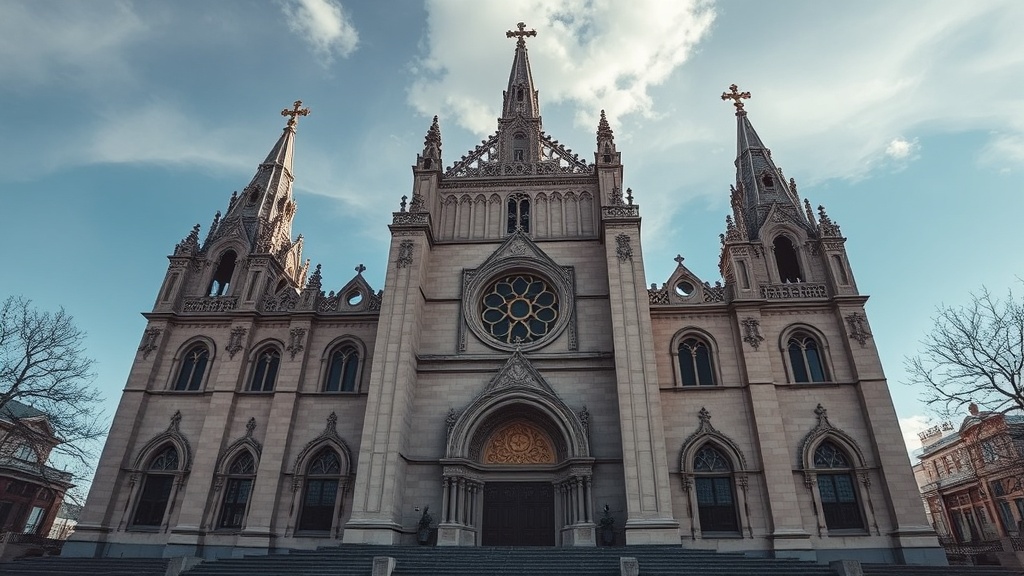
Historic Milestones: 12 Utah Sites Earn National Recognition in 2025
In 2025, twelve Utah sites received national historic recognition, highlighting the state's rich heritage and commitment to preservation.
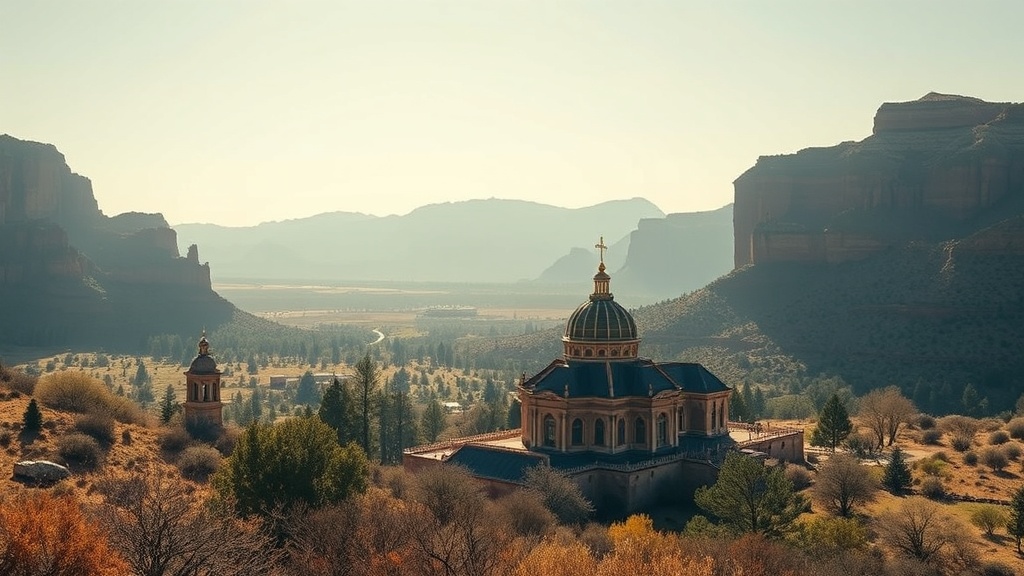
2025 marked a significant year for the preservation and recognition of Utah's rich history as twelve locations across the state received national historic recognition. This achievement not only highlights the cultural and historical significance of these sites but also underscores Utah’s commitment to preserving its heritage for future generations.
Among the sites recognized is the historic downtown of Salt Lake City, a bustling area known for its eclectic architecture and cultural landmarks. The downtown district has long been a focal point for residents and visitors alike, featuring notable buildings such as the Salt Lake City and County Building, which dates back to 1894. Local historian Jane Doe emphasized the importance of this recognition, stating, "The architectural and cultural diversity of downtown Salt Lake City tells the story of our community's evolution and resilience over the decades."
In addition to Salt Lake City, the small town of Ephraim has also earned national historic status, thanks to its rich pioneer history and well-preserved structures that reflect the early settlement era. The town's historic district, which includes several buildings from the 19th century, serves as a testament to the perseverance of early settlers. Ephraim's mayor, John Smith, remarked, "This recognition will not only boost tourism but also instill pride in our community as we share our heritage with visitors."
Another prominent site is the historic Union Pacific Depot in Ogden, a key transportation hub that played a vital role in the development of the western United States. Built in 1924, the depot is a stunning example of Spanish Colonial Revival architecture and has been a pivotal part of Ogden's history. Local officials anticipate that this designation will enhance preservation efforts and attract increased visitor interest. "The depot is not just a building; it’s a piece of our identity," said Ogden city council member Sarah Brown.
The recognition of these sites is part of a broader trend in Utah as the state seeks to celebrate its diverse history. From Native American heritage to the arrival of Mormon pioneers, Utah’s historical narrative is multi-faceted and complex. The National Park Service’s designation not only acknowledges the significance of these sites but also provides access to federal funding aimed at preservation and education.
In a statement, Utah Governor Spencer Cox expressed his enthusiasm for the recognition, stating, "Our history is what shapes our future. By preserving these sites, we honor the stories of those who came before us and pave the way for our children to understand their roots."
The twelve sites recognized in 2025 range from urban centers to rural communities, each contributing uniquely to the fabric of Utah's history. For instance, the historic mining town of Park City, known for its ski resorts today, was once a bustling hub for silver mining in the late 1800s. The town’s historic Main Street, with its charming buildings and vibrant atmosphere, reflects this rich legacy. Park City Mayor Andy Beerman shared, "This designation will help us remind visitors that Park City is not only a ski destination but also a place with a fascinating history."
Moreover, the recognition extends to several sites associated with Utah's Native American history. The ancient rock art in Nine Mile Canyon has been designated as a historic site, marking the importance of indigenous culture and history in the region. This recognition serves as a reminder of the long-standing relationship between the land and its original inhabitants. Local tribal leader Lisa White noted, "Our stories and our art tell of a connection to this land that spans thousands of years, and we are grateful for the acknowledgment of that history."
As Utah prepares to celebrate these historic sites, the implications for tourism and education are significant. State officials anticipate that increased interest could lead to a boost in local economies, particularly in rural areas that may not typically attract tourists. The Utah Office of Tourism plans to launch campaigns to highlight these newly recognized sites, aiming to engage both residents and visitors in the state’s storied past.
In conclusion, the national historic recognition of twelve sites in Utah in 2025 represents a pivotal moment in the state’s ongoing commitment to preserving its rich cultural heritage. As these sites garner attention, they not only tell the stories of Utah’s past but also foster community pride and economic growth in the present. With plans for enhanced preservation efforts and educational initiatives, Utah is poised to ensure that its history remains vibrant and accessible for generations to come.