Federal Judge in Utah Orders Return of Wrongfully Deported Man to U.S.
A Utah judge has ordered the return of a man wrongfully deported, spotlighting flaws in U.S. immigration enforcement.
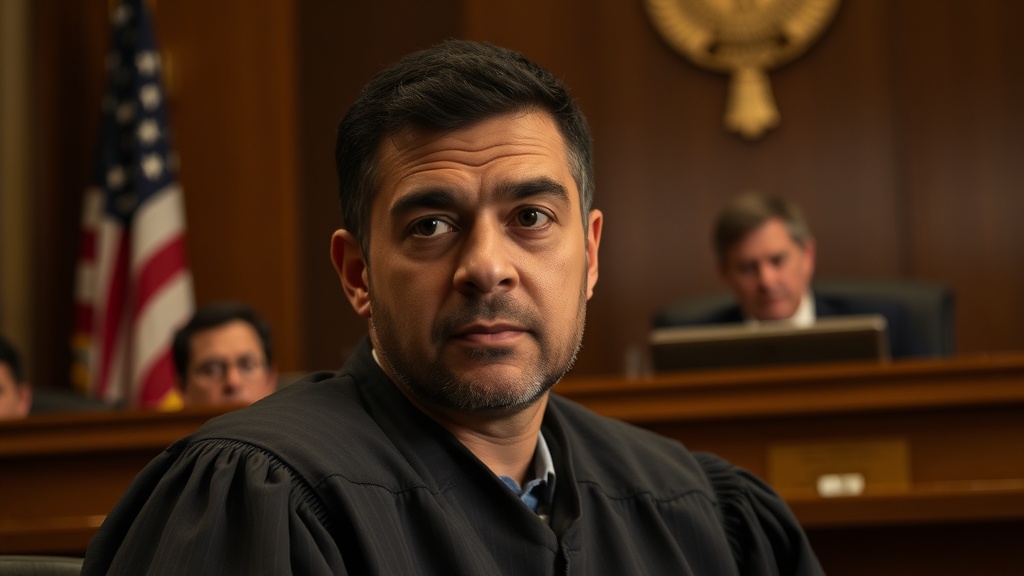
In a significant ruling on December 23, a federal judge in Utah ordered U.S. immigration officials to facilitate the return of a man who was wrongfully deported to Mexico. The case has drawn attention not only for its implications on the individual involved but also for highlighting flaws in the immigration system. The man, whose identity has been withheld pending further legal proceedings, had been living in the United States for several years before his deportation, which occurred despite ongoing legal issues related to his immigration status.
The judge's ruling came after a thorough examination of the circumstances surrounding the deportation. Evidence presented in court indicated that the man was removed from the country without due process, raising serious concerns about the fairness and transparency of immigration enforcement practices. This situation is not isolated; it reflects broader issues within the immigration system that have led to similar cases across the nation.
Legal experts have pointed out that such wrongful deportations are not uncommon, often stemming from administrative errors or miscommunications within the complex immigration bureaucracy. "This case underscores the urgent need for reform in our immigration system to ensure that individuals are afforded their legal rights and protections," said Sarah Johnson, an immigration attorney based in Salt Lake City. "No one should be deported without a fair hearing."
The man’s deportation occurred during a particularly contentious period in U.S. immigration policy, characterized by stricter enforcement measures and expedited removal processes. Critics argue that these policies have resulted in increased wrongful deportations, particularly affecting vulnerable populations who may not fully understand their rights or the legal processes at play.
Following his deportation, the man’s family in Utah sought legal recourse, advocating for his return. They described the emotional toll that the separation has caused, emphasizing their commitment to seeing him reinstated in the U.S. "We never gave up hope; we knew he was innocent and that he deserved a chance to fight his case here at home," said Maria, a family member who has been vocal about their plight. The family has been actively engaged in raising public awareness about the injustices faced by many in similar situations.
The order for his return is a crucial step in the ongoing legal battle, as it allows the man to continue addressing his immigration status from within the United States. His case will now proceed through immigration court, where he hopes to present his circumstances and seek legal residency. The implications of this ruling may extend beyond his individual case, potentially setting a precedent for others who find themselves in similar predicaments.
As the case moves forward, many are watching closely, particularly given the ongoing debates surrounding immigration reform at the national level. The Biden administration has pledged to address systemic issues within the immigration system, but challenges remain in balancing enforcement with the protection of individual rights. This case serves as a reminder of the human lives affected by policy decisions and the critical need for comprehensive reform.
The federal judge’s decision has sparked discussions among lawmakers and advocacy groups about the importance of ensuring due process in immigration cases. "Every individual deserves the right to a fair hearing, and this case highlights the consequences of failing to uphold that principle," commented James Rivera, a policy analyst who studies immigration law.
As this situation unfolds, it will likely prompt further scrutiny of immigration practices and could lead to calls for more accountability from U.S. immigration officials. The family remains hopeful that their loved one will soon be reunited with them, while their case continues to shed light on the complexities and challenges faced by many immigrants navigating the U.S. legal system.
In conclusion, the order for the wrongfully deported man’s return is a significant development in an ongoing legal saga that reflects broader issues within the immigration system. As he prepares to fight for his rights in immigration court, the case serves as a poignant reminder of the stakes involved in immigration policy and the crucial importance of due process. With the eyes of the community and legal experts upon him, this case could very well influence future discussions on immigration reform and the need for comprehensive changes to protect vulnerable populations against wrongful deportation.