Fear and Resilience: Utah's Latino Community Faces Immigration Raids
Utah's Latino community grapples with fear from immigration raids, yet sparks of resilience emerge amid uncertainty.
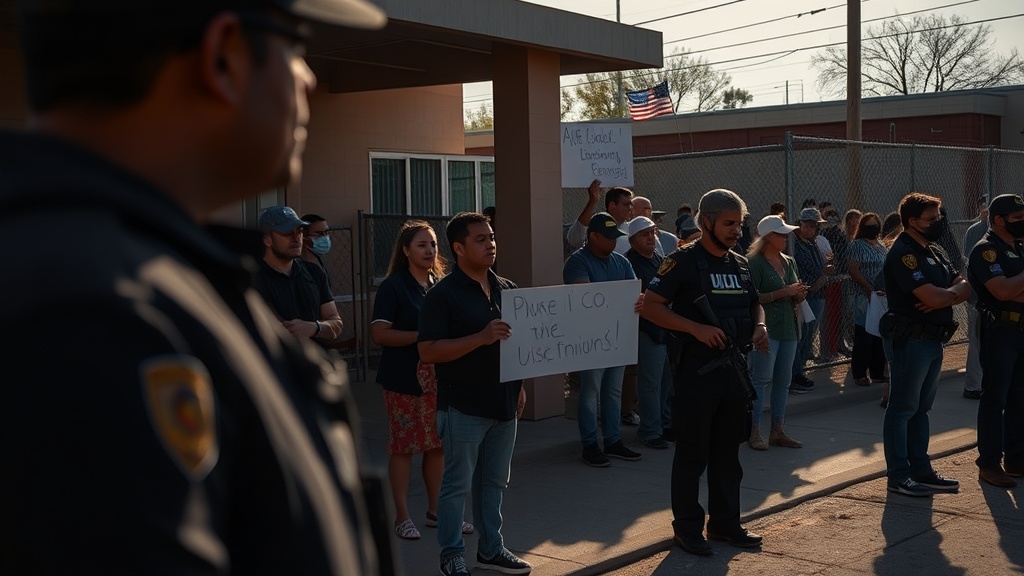
In early December, the Salt Lake Community College conference center in Sandy was filled with the vibrant colors and aromas of a traditional Latino holiday celebration, as hundreds gathered for Utahzolanos' annual Christmas party. The event, marked by merriment and community spirit, took a more somber tone this year amid heightened fears surrounding immigration enforcement under the current administration. Organizers and attendees alike expressed concerns over a perceived crackdown on Latino communities, leading to a significant decrease in participation. Approximately 2,000 attendees joined the festivities, which, although still considerable, represented a decline of about 1,000 participants compared to previous years.
Patricia Quiñonez, the director of Utahzolanos, emphasized the transformed atmosphere of this year’s gathering, stating, "We are happy because we expected fear to prevail over the call, the invitation to attend." The event featured traditional Christmas elements, including holiday crafts, gifts, and the familiar sight of Santa Claus hats. However, the most visited tables were those run by immigration law firms offering free consultations, highlighting a community grappling with legal uncertainties and fears of deportation.
The chilling effects of recent immigration policies have been felt acutely by Latino families in Utah, particularly Venezuelans, who have been deeply impacted by the revocation of Temporary Protected Status. This policy change has left approximately 600,000 Venezuelans without work permits or the legal ability to remain in the United States, with over 1.5 million immigrants losing their legal status in 2025 alone. Quiñonez noted that many families are opting for self-deportation, driven by the fear of separation from loved ones, especially after witnessing the detainment of primary earners in their households.
"It’s not just people who have been here for two or three years. We are talking about friends who applied for asylum 10, eight, seven years ago," Quiñonez remarked, reflecting on the long-lasting impact of immigration court proceedings and the emotional toll they take on families. The Department of Homeland Security reported that since the commencement of the current administration, 1.6 million individuals have voluntarily self-deported, illustrating the pervasive fear gripping the community.
The anxiety surrounding immigration enforcement has led many to modify their daily routines. Restaurants popular within the Latino community are reporting a decline in customers, as individuals avoid public spaces where they fear ICE may conduct raids. Additionally, attendance at churches has dropped, reflecting a broader trend of withdrawal from community gatherings. Immigration attorneys have been advising clients to restrict their travel, particularly following a high-profile ICE arrest at Salt Lake City Airport, which has significantly heightened concerns.
Despite these challenges, moments of resilience have emerged within the community. Quiñonez noted a rise in Latino entrepreneurship, with new businesses—including restaurants, barber shops, and car dealerships—opening their doors. However, the looming threat of increased immigration enforcement looms large, particularly with reports of a 10,000-bed ICE detention facility being established in Utah, raising questions about the potential for intensified raids.
“The fear isn’t exclusively quarantined just to Latinos,” remarked Victoria Petro, executive director of the Utah Hispanic Chamber of Commerce. Business owners across the spectrum are experiencing the ramifications of these immigration policies, as fear and uncertainty permeate the local economy. Petro stated that many consumers are hesitant to patronize Hispanic-owned establishments, shifting their spending to more mainstream businesses perceived as safer from potential ICE scrutiny.
Petro highlighted that even legal residents are expressing anxiety about shopping in spaces that cater predominantly to the Latino community, fearing that their presence might attract unwanted attention from immigration enforcement. This has led to a significant transfer of buying power away from Hispanic businesses, which are struggling to maintain customer bases amid widespread fear. Many establishments are witnessing soaring expenses coupled with declining revenues, prompting urgent discussions on how to adapt and survive in this challenging climate.
The chilling effects of immigration enforcement are not limited to the Latino community; other industries reliant on diverse workforces are feeling the strain as well. Construction companies and other employers are increasingly seeking membership in organizations like the Utah Hispanic Chamber of Commerce to stay informed about labor supply issues amid immigration crackdowns.
In conclusion, while the Latino community in Utah is navigating a landscape filled with fear and uncertainty due to aggressive immigration policies, there are glimmers of hope and resilience. The community continues to celebrate its culture and traditions, even as it faces unprecedented challenges. As families and business owners adapt to the realities of their circumstances, the spirit of togetherness and resilience remains strong, providing a foundation for hope in turbulent times.