Exploring the Legacy of the Flinders Family Ranch in Park City, Utah
Historians David Nicholas and Stuart Stanek explore the rich history of the Flinders Family Ranch in an upcoming presentation.
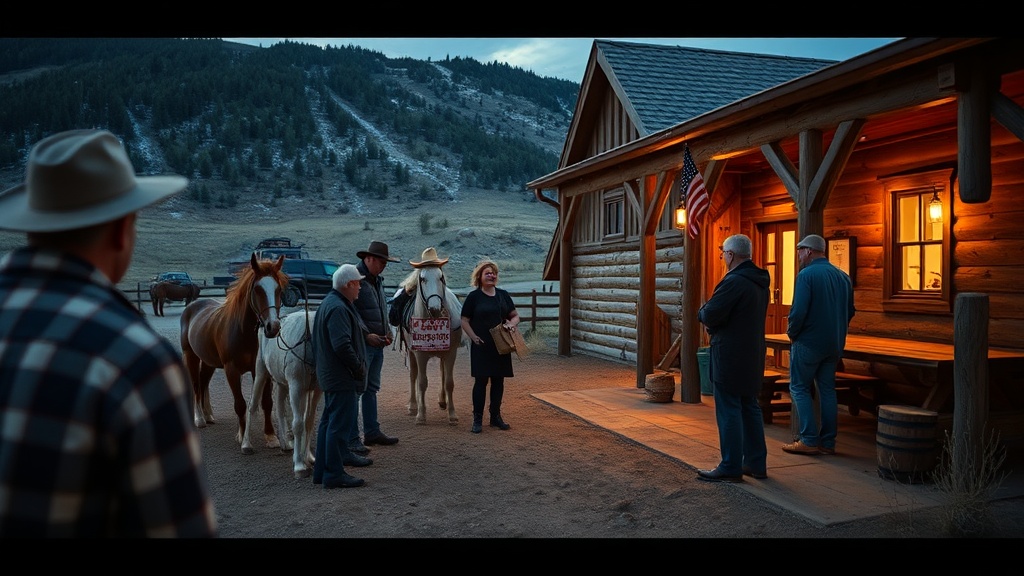
In the heart of Summit County, Utah, the Flinders Family Ranch stands as a testament to the region's rich agricultural history and entrepreneurial spirit. This 900-acre dairy farm, once located in the Snyderville and Kimball Junction area, played a pivotal role in the community's economic landscape from its establishment in 1949 until its gradual decline in the early 1990s. Historians David Nicholas and Stuart Stanek will delve into the ranch's storied past during a presentation titled "The Flinders Family Ranch — Park City’s First Multi-Season Business," scheduled for 5 p.m. on Wednesday, February 11, at the Park City Museum Education and Collections Center.
The Flinders family, led by patriarch George Truman "Judd" Flinders and his wife Beth, laid the groundwork for a multifaceted business that extended beyond traditional farming. The ranch became a hub for community activities, featuring square dancing, a restaurant, a motel, and even a fishing catchery where visitors could pay to catch fish that the staff would clean and cook. The Flinders’ commitment to diversifying their offerings set them apart from other dairy farms and positioned them as pioneers in the local tourism industry.
"They offered square dancing, opened a restaurant, and even operated a motel," Nicholas explained. "They were also known for boarding cattle in the summer for other ranchers and held hayrides and sleigh rides. They sold hay, which added another revenue stream."
Judd Flinders, who married Beth during the Great Depression, had a prior career as a delivery truck driver for a Coca-Cola bottling company. His experiences on the road not only piqued his interest in business but also inspired him to open his first restaurant, The Boat, in Salt Lake City in 1933. By 1936, he had expanded to two more restaurants, showcasing his knack for marketing and promotion.
After purchasing a small, 3-acre farm in Millcreek, the Flinders family experimented with various livestock before acquiring the expansive ranch in Snyderville from Archie and Annie Carter in 1949. The transition to running a large-scale dairy operation fell largely on the shoulders of their oldest son, Leland, who was just 17 years old at the time. "Dairy farming is a 24-hour-a-day job, 365 days a year, with milking sessions starting at 4 a.m. and 4 p.m.," Nicholas noted, emphasizing the dedication required of the family.
As the Flinders navigated the challenges of dairy farming, they began to explore alternative revenue streams. Judd’s analytical mindset led them to shift focus from dairy cows to raising beef cattle, while simultaneously seeking ways to leverage their property for additional business opportunities. This included hosting square dancing events that attracted visitors from Salt Lake City, which ignited further innovations in their offerings.
"After World War II, Park City faced economic challenges as mines closed and miners were left unemployed. The Flinders family seized this moment by promoting square dancing and other community events, which became wildly popular," Stanek said. "It was a lightbulb moment for them."
The Flinders family further enhanced their reputation by hosting dog sled and snowmobile races, which drew participants from neighboring states. The allure of substantial prize money, often ranging from $1,500 to $1,800, attracted a diverse crowd, including well-known local media personalities. "They even coordinated these events with ski-jumping competitions at nearby facilities, which helped bring more visitors to the area," Stanek added.
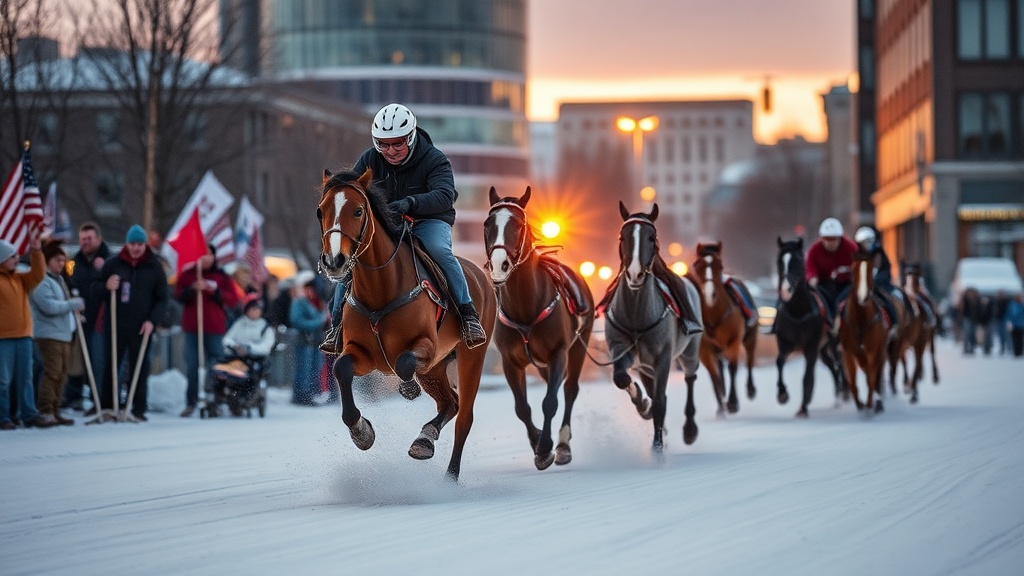
Additionally, the ranch was known for its herd of prize Clydesdales that participated in local parades, promoting the Flinders brand and engaging the community. "They would pull wagons filled with family members and ranch workers for promotional events," Nicholas explained.
Despite their success, the Flinders family sold the ranch in pieces during the early 1990s. Judd had aspirations for further development, but multiple requests to the Summit County planning commission were denied, prompting the family to move on. They later reacquired parts of the property through bankruptcy court, but the ranch never regained its former glory.
Nicholas and Stanek have dedicated significant time to uncovering the ranch's history and connecting with surviving family members, including Leland Flinders. "We had several sit-down visits with the family, and they generously shared photographs and memories," Nicholas noted. "It was like uncovering a treasure trove of history."
The upcoming presentation promises to shed light on the Flinders family legacy and their impact on Park City’s history, with many descendants expected to attend. "This will be the first time we’re presenting on a family with them in the audience, which adds an extra layer of responsibility for us to accurately convey their story," Stanek remarked.
For those interested in learning more about the Flinders Family Ranch and its significance to Park City, the presentation will be held on February 11, from 5 p.m. to 6 p.m., at the Park City Museum Education and Collections Center, located at 2079 Sidewinder Drive. The lecture is free to the public and promises to be an engaging exploration of a unique chapter in local history.
For additional details, visit [parkcityhistory.org/events](http://parkcityhistory.org/events).