Exploring the Ancestral Ruins of Hovenweep and Lowry Pueblo
Hovenweep and Lowry Pueblo showcase the rich heritage of the Ancestral Puebloans, revealing their architectural brilliance and cultural significance.
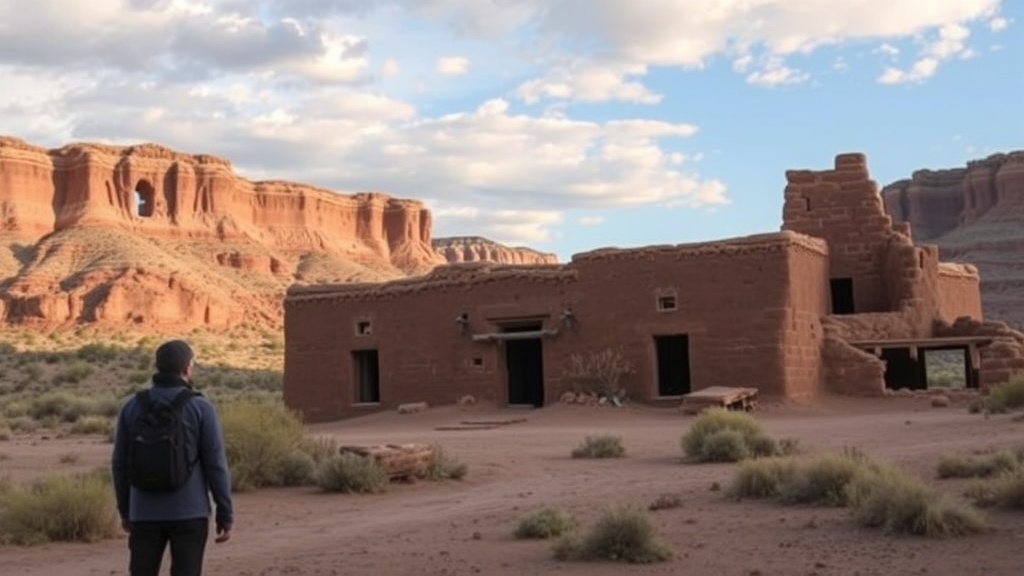
SAN JUAN COUNTY, Utah — Nestled in the picturesque landscape of the Four Corners region, Hovenweep National Monument stands as a testament to the ingenuity and resilience of the Ancestral Puebloans. This lesser-known gem of a national monument is characterized by its stunning medieval towers that overlook a concealed canyon, offering visitors a glimpse into the architectural prowess and cultural significance of a civilization that thrived for centuries.
Hovenweep’s history stretches back thousands of years, with the Ancestral Puebloans establishing a cohesive culture between 1000 AD and the 1200s. The site reached its zenith alongside Mesa Verde, another prominent Ancestral Puebloan location, during this time. According to park ranger specialists, the structures at Hovenweep, which appear fortified, have led scholars to reconsider their defensive interpretations. Commonly believed to reflect a posture of fear due to resource scarcity and prolonged drought, these buildings also hold significant cultural and religious meanings for modern-day Pueblo tribes.
"The buildings are considered sacred spaces, and their locations are significant for religious reasons," shared a ranger specializing in the region's history. Although federal regulations prevent park employees from appearing on camera without prior approval, the ranger's insights shed light on the cultural reverence for these ancient structures.
In addition to their spiritual significance, the architectural design of Hovenweep also showcases the advanced understanding of astronomy possessed by its inhabitants. Structures were meticulously oriented to serve as natural clocks and calendars. According to the National Center for Atmospheric Research, small light portals, too narrow to be considered windows, were ingeniously designed to allow sunlight to traverse the walls, indicating the time of day and seasonal changes.
Visitors to Hovenweep can embark on a two-mile trail that winds around the canyon rim, revealing new ruins around every corner. This trail offers not just a chance to view the structures but also to experience the breathtaking beauty of the surrounding landscape. The hike is described as challenging enough to be rewarding without being overly strenuous, making it accessible for various fitness levels.
The journey to Hovenweep is often enriched by visits to other Ancestral Puebloan sites in the region. One such site is Canyon de Chelly National Monument, located in Arizona, where the rich heritage of the Navajo people intertwines with the remnants of ancient civilizations. This national monument, managed jointly by the National Park Service and the Navajo Nation, provides a unique cultural experience. Visitors are required to have a Navajo guide to traverse the canyon, enhancing the connection to the land and its history.
The author of this article recalls a memorable experience while navigating Canyon de Chelly in a troop carrier, guided by Fernando, a knowledgeable Navajo guide. The interactions during the visit highlighted the Navajo's respect for the ancient art and artifacts left by their predecessors, fostering a sense of stewardship for the ruins that dot the landscape.
While traveling to Hovenweep, visitors may also want to stop at Lowry Pueblo, a compact but significant representation of Chacoan-era architecture. As one of the northernmost outposts of Chaco Canyon, Lowry Pueblo offers insights into the expansive influence of the Ancestral Puebloans. Chaco Canyon is renowned for its monumental structures and extensive road systems that reflect a complex society flourishing between 950 AD and 1150 AD.
Lowry Pueblo is strategically located on a high plateau, surrounded on three sides by canyons, providing natural vantage points and potential escape routes. The site features a multi-story complex built over time as the population grew, showcasing the evolution of architectural practices in the region. The Bureau of Land Management has stabilized the structures, allowing visitors to enter and explore the well-preserved rooms, albeit through low entrances.
Additionally, the site includes a "great kiva," a large ceremonial structure that served as a community gathering place. Measuring approximately 50 feet in diameter, this great kiva was likely used for significant communal events, further emphasizing the social dynamics of the Ancestral Puebloan culture. Visitors are reminded that these structures originally had roofs, common in the construction of kivas, which played a pivotal role in both spiritual and communal life.
As visitors explore these ancient sites, they are not only stepping into the past but also engaging with the deep cultural heritage that continues to resonate in the present. The preservation of Hovenweep and Lowry Pueblo serves as a reminder of the enduring legacy of the Ancestral Puebloans and the importance of cultural stewardship, enriching the experience of all who venture into these historic landscapes.