Exploring Slender Man: The Evolution of Digital Folklore in Modern Culture
The Slender Man phenomenon reflects the evolution of folklore in the digital age, highlighting its cultural significance and impact on youth.
In an era where digital media shapes our perceptions and narratives, the phenomenon of 'Slender Man' exemplifies how folklore has evolved in the 21st century. Lynne McNeill, an associate professor of folklore at Utah State University, recently shared insights into the interplay between digital storytelling and traditional folklore, using Slender Man as a focal point. This character, which emerged from an online forum in 2009, has not only captivated audiences but also sparked discussions about the nature of myth-making in the age of the internet.
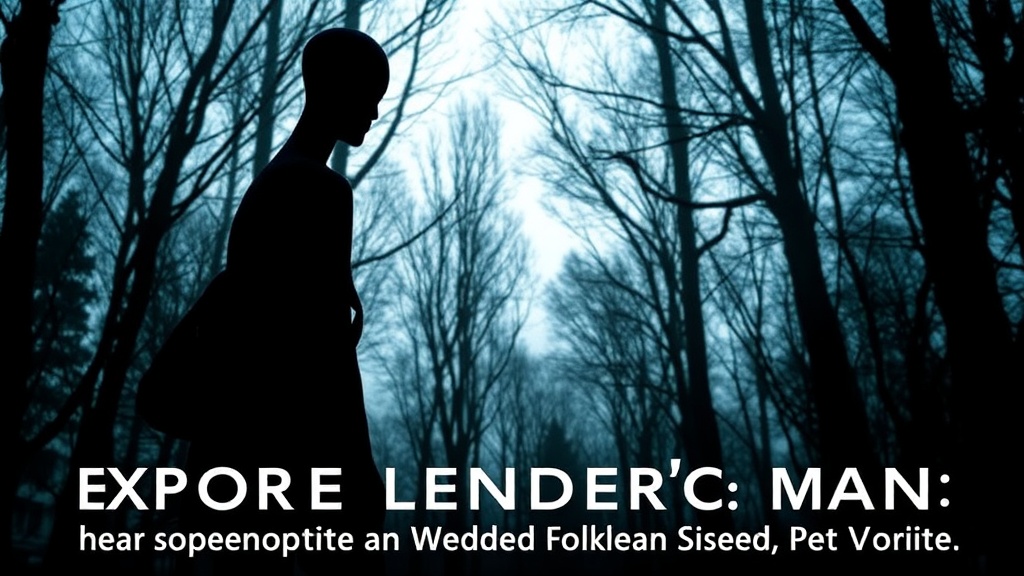
Slender Man originated from a thread on the Something Awful forum, where users were tasked with creating paranormal images. One user, Eric Knudsen, submitted an eerie image of a tall, faceless figure lurking in the shadows, accompanied by a chilling backstory. The character quickly gained traction, morphing into an urban legend as users across various platforms began crafting their own narratives surrounding Slender Man. According to McNeill, this collaborative storytelling mirrors traditional folklore, where tales are shared and adapted through generations, yet it occurs at a speed and scale unprecedented in history.
The Slender Man story, marked by themes of psychological horror and the uncanny, resonates with contemporary fears and anxieties. McNeill notes that the character embodies the digital age's fascination with the unknown and the often blurred lines between reality and fiction. As the narrative spread, it prompted not only a plethora of fan art and video games but also a significant film adaptation in 2018, illustrating the character's deep penetration into popular culture.
However, the Slender Man phenomenon took a dark turn in 2014 when two 12-year-old girls in Wisconsin attempted to murder a classmate, claiming they were influenced by the character. This tragic incident raised questions about the impact of digital folklore on young minds and the responsibilities of content creators. McNeill emphasizes that while stories like Slender Man can be entertaining and engaging, they also carry the weight of influence, particularly among impressionable audiences.
The incident sparked debates around the intersection of mental health, media consumption, and the responsibilities of parents and educators. In the wake of the attempted murder, there were calls for increased awareness regarding the effects of online narratives on youth. McNeill pointed out that folklore has always been a reflection of societal fears and values, and the Slender Man saga is no exception. It highlights the need for critical engagement with digital content and the importance of discussing these narratives within educational settings.
As Slender Man continues to evolve, so too does the medium through which these stories are told. Platforms like YouTube, TikTok, and Reddit are now the new storytellers, where individuals can share their interpretations of folklore and urban legends instantaneously. This democratization of storytelling allows for a diverse range of voices and interpretations, yet it also complicates the ownership and authenticity of these narratives. McNeill suggests that folklore is no longer the purview of a select few; it has become a collective endeavor where anyone with internet access can contribute.
The implications of this shift are significant. As Slender Man and other digital folklore figures become embedded in our cultural consciousness, they also challenge traditional notions of authorship and originality. In a world where stories can go viral within hours, the lines between creator and consumer blur, leading to a reimagining of how folklore is constructed and disseminated. McNeill argues that this evolution is not just a matter of technology but also a reflection of changing societal values and the collective psyche of a generation that navigates a complex digital landscape.
In conclusion, the Slender Man phenomenon serves as a compelling case study in the realm of digital folklore. As Lynne McNeill articulates, the character illustrates the intersections between traditional storytelling and contemporary media. While it entertains and terrifies, it also invites critical reflection on the narratives we consume and create in our increasingly interconnected world. As we continue to engage with these stories, it is essential to foster discussions about their implications and the responsibilities that come with being both a storyteller and an audience member in the digital age.