Exploring Iran's Underground Art Scene: A Sundance Film Premiere
Maryam Ataei and Hossein Keshavarz debut their film at Sundance, showcasing Iran's vibrant underground art scene amid political turmoil.
In a bold cinematic debut, writer-directors Maryam Ataei and Hossein Keshavarz will showcase their film "The Friend’s House is Here" at the 2026 Sundance Film Festival, highlighting the underground lives of contemporary Iranians. The film, which is part of the U.S. Dramatic Competition, reflects the couple's commitment to telling stories that resonate with the realities faced by young people in Iran, especially in the wake of socio-political upheavals. The film is scheduled to premiere at 8:45 p.m. on January 24 at the Library Center Theatre, followed by a Q&A session with the directors.
The backdrop of the film is significant, having been shot in Iran during a tumultuous period following the escalation of violence in the region, particularly the airstrikes by Israel from June 13 to 24, 2025. Keshavarz shared the couple's harrowing experience during this time, stating, "When we went back to Iran, that was right after the war, so they were executing people left and right. And so it was a really dangerous time." The couple faced immense pressure and risk, aware that their work could lead to arrest. Yet, fueled by a passion for storytelling, they persevered, believing in the necessity of sharing the untold narratives of their compatriots.
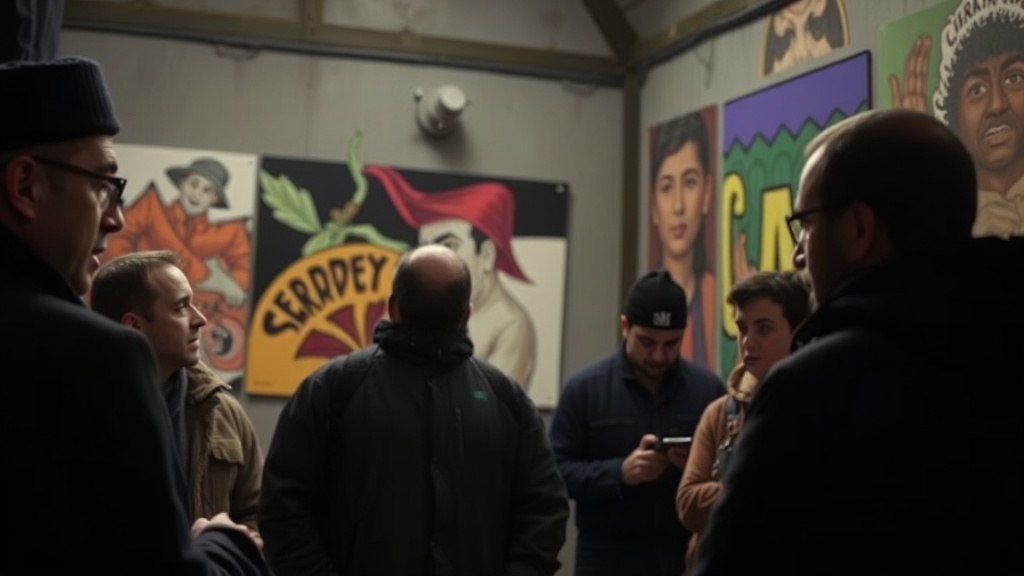
The narrative of "The Friend’s House is Here" centers on two young women, portrayed by Mahshad Bahram and Hana Mana, navigating Iran's vibrant yet perilous underground art scene. Keshavarz and Ataei crafted the script not only from their own experiences but also from the authentic stories and lives of the actors, many of whom are already immersed in underground artistic communities.
Ataei, who hails from Tehran and boasts a background in theater and cinema, noted a significant shift in the cultural landscape of Iran over the past 15 years. She highlighted the emergence of a resilient community of artists who push against governmental repression through their work. This transformation can be traced back to the Women, Life, Freedom movement ignited in September 2022, sparked by the tragic death of Mahsa Amini, a Kurdish-Iranian woman arrested for her perceived violation of hijab regulations. "There are so many underground plays, theaters, music, which I think is inspiring and amazing," Ataei remarked, reflecting on her interactions with brave artists who continue to create regardless of the risks involved.
The filmmakers’ dedication to authenticity is evident in their approach to storytelling. They sought to balance the harsh realities of political oppression with the vibrant humanity of the people they depict. Keshavarz articulated this intention, stating, "A lot of films, their politics is too foregrounded, and it's not about people... We wanted to show their lives in a way that felt honest and enjoyable." The filmmakers aim to convey a message of resilience, portraying their subjects not merely as victims of circumstance but as dynamic individuals leading rich, fulfilling lives despite the challenges they face.
The film's aesthetic choices also reflect a commitment to artistic expression. Keshavarz noted that the filmmakers opted for long, unbroken takes to capture the rawness of their subjects’ experiences, a decision that added complexity to their production process. "You get what you get," Ataei explained, indicating the spontaneity inherent in their filming style. The couple emphasized the strong bonds formed with their cast and crew, a testament to the collaborative spirit fostered throughout the project.
Moreover, the film serves as a celebration of community, a core aspect of Persian culture that Keshavarz insists is often overlooked. "So much of Persian culture is based on community... you don't see people living on the streets, because there's always someone who's going to help out someone else," he remarked, emphasizing the interconnectedness that defines these underground societies.
Despite the myriad challenges they encountered, Ataei and Keshavarz described their filmmaking experience as one of the most fulfilling of their lives. "We were joking that there's bravery in their water or something, you become so brave because everybody was brave," Ataei said, reflecting on the inspiration drawn from the resilience of the Iranian artists they collaborated with.
As the Sundance Film Festival approaches, anticipation is building around the premiere of "The Friend’s House is Here." While only one of the lead actresses can attend due to travel restrictions imposed on Iranians, the filmmakers remain hopeful for the film's reception. It is an opportunity not only to showcase the underground artistic spirit of Iran but also to connect with a global audience, inviting viewers to engage with the complex tapestry of life in a country often defined by its political struggles.
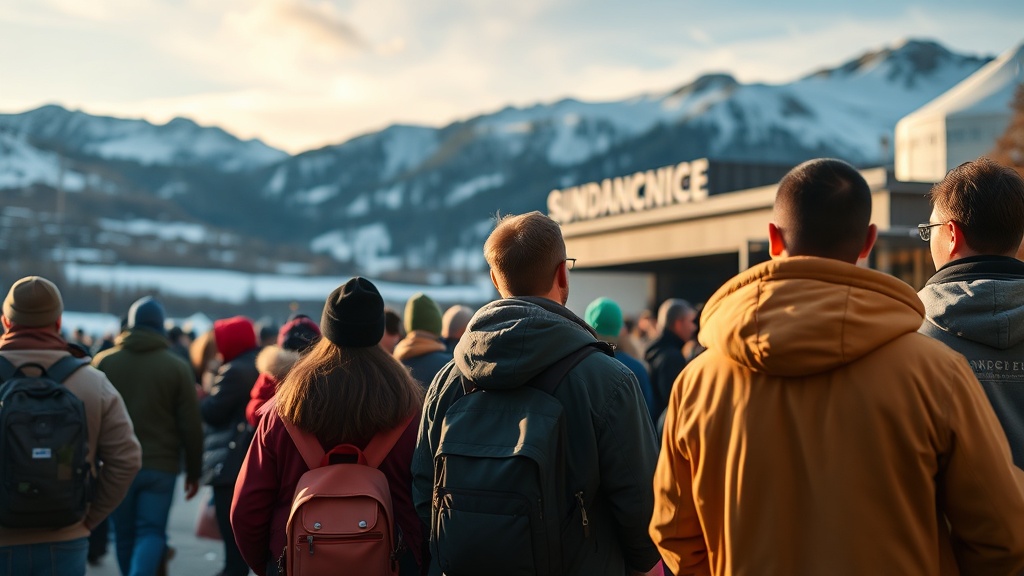
In addition to the January 24 premiere, the film will have several screenings throughout the festival, including showings on January 25, January 30, and February 1. Online screenings will also be available from January 29 to February 1, expanding access to this important cinematic work. For more information and to reserve tickets, interested viewers can visit the Sundance Festival's official website.
With their film, Ataei and Keshavarz hope to shine a light on the resilience and creativity of the Iranian people, advocating for a narrative that celebrates rather than diminishes their experience. As they prepare for their debut, the couple remains committed to their vision: to tell stories that matter, even in the face of adversity.