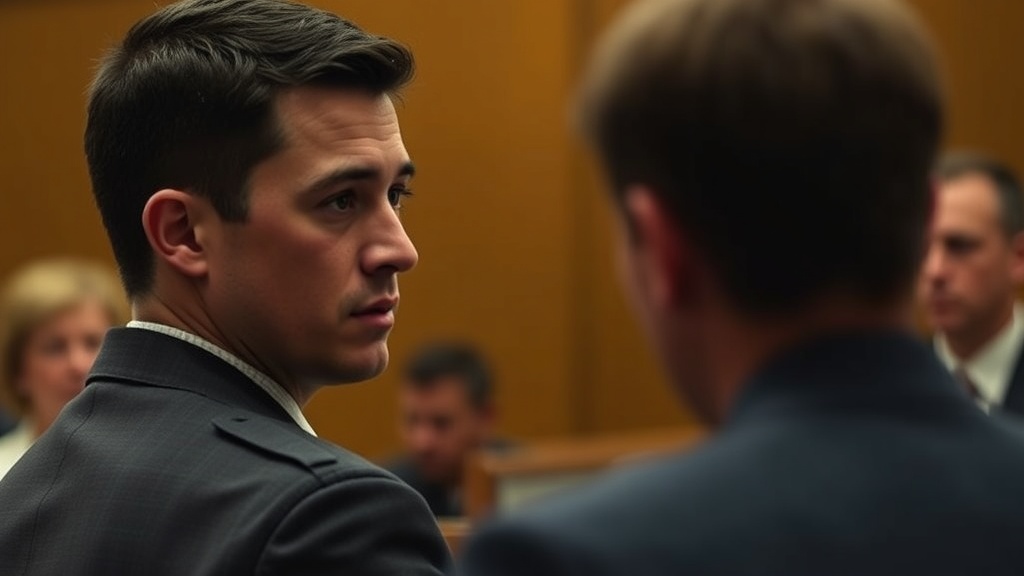
Defense Moves to Disqualify Prosecutors in High-Profile Murder Case
Tyler Robinson's defense seeks disqualification of prosecutors due to a conflict of interest concerning a family member's witness status in a murder case.

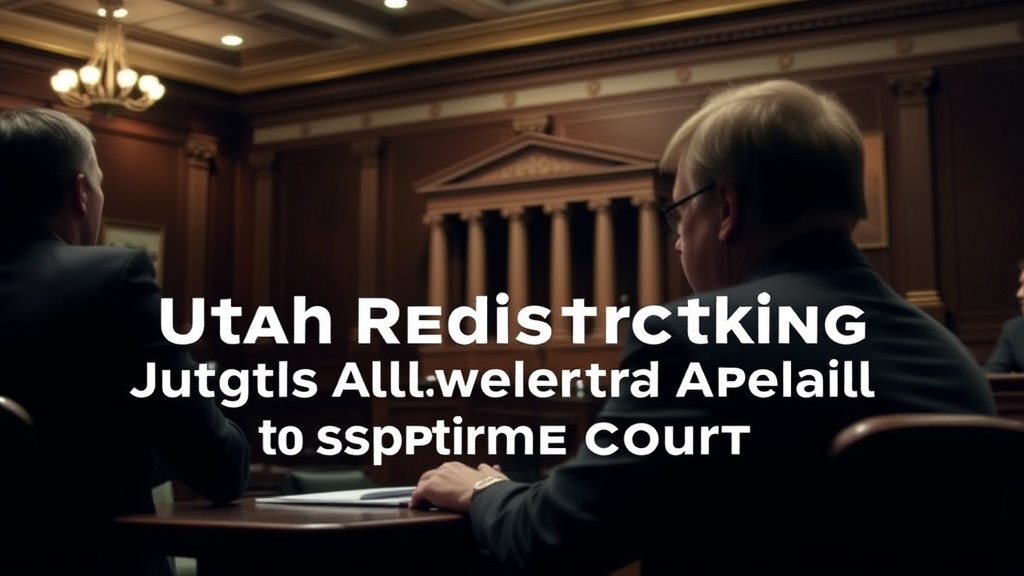
In a significant development in a murder case, Tyler Robinson's defense team is requesting the disqualification of the Utah County Attorney's Office. The defense argues that a conflict of interest exists due to the involvement of a family member of one of the prosecutors in the case.
The motion was filed as Robinson faces serious charges in connection with the death of Charlie Kirk, an incident that has drawn considerable public interest and media coverage. According to the defense, a family member of a prosecutor observed the events surrounding Kirk's death, which they claim could compromise the fairness and impartiality of the prosecution.
This request for disqualification raises critical questions about ethical standards within the prosecutorial process. The defense is contending that any prosecutorial decisions made in the office may be influenced by this familial connection, thereby affecting the integrity of the proceedings.
Robinson has been charged with murder following an altercation with Kirk that culminated in Kirk's death. The incident took place in a public environment, further intensifying the scrutiny surrounding the case. The timeline of events leading to the charge and the circumstances surrounding Kirk's death have been detailed in court filings, but the prosecution maintains their stance on pursuing the case vigorously.
The next steps in this legal battle hinge on the court's decision regarding the disqualification motion. Legal experts highlight that such petitions are not uncommon in high-stakes cases where perceptions of fairness can significantly influence public opinion and the judicial process.
If the court grants the defense's request, this could lead to the appointment of alternate prosecutors, which would subsequently impact the ongoing proceedings. Conversely, should the court deny the motion, the case will proceed as scheduled, with the trial date pending. As this significant legal matter unfolds, all eyes remain on the court's rulings and their implications for all parties involved.
As further developments emerge in this case, both defense and prosecution teams are expected to present additional arguments in support of their respective positions. The outcome of this situation holds the potential to affect not only the immediate case against Robinson but also broader implications regarding prosecutorial conduct and conflict of interest protocols in Utah's judicial system.