DEA's Major Fentanyl Seizure in Utah Highlights Ongoing Cartel Threat
DEA's seizure of two million fentanyl pills in Utah underscores the ongoing cartel threat and the opioid crisis affecting communities.
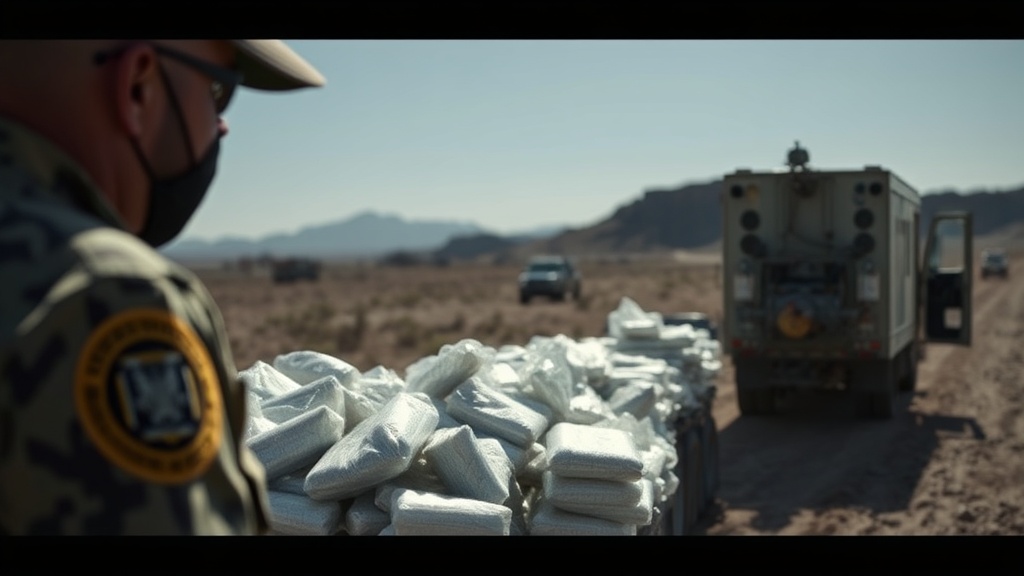
In a significant operation, the Drug Enforcement Administration (DEA) Rocky Mountain Field Division announced on Wednesday that it seized approximately two million fentanyl pills in Utah throughout 2025. This unprecedented haul underscores the escalating threat posed by drug cartels operating within the state, as well as the ongoing national crisis stemming from the proliferation of synthetic opioids.
The seizure, which took place over multiple operations throughout the year, marks one of the largest drug busts in the state’s history. DEA officials reported that the pills were primarily manufactured in clandestine labs and transported across the U.S.-Mexico border. The agency revealed that these pills are often disguised as legitimate pharmaceuticals, complicating detection efforts and putting countless lives at risk.
Fentanyl, a synthetic opioid, is estimated to be 50 to 100 times more potent than morphine. According to the Centers for Disease Control and Prevention (CDC), fentanyl is a leading cause of overdose deaths in the United States. Reports suggest that nearly 70,000 deaths in 2021 were attributed to synthetic opioids, with fentanyl being a major contributor. The alarming rise in overdose fatalities has prompted law enforcement agencies to intensify their efforts to combat the influx of fentanyl into American communities.
DEA Special Agent in Charge, Brian Besser, emphasized the gravity of the situation during a press conference. "Our operations are focused on dismantling the networks that facilitate the distribution of these dangerous substances. The sheer volume of fentanyl pills seized in Utah is a stark reminder of the ongoing threat we face from drug cartels, which continue to exploit vulnerable communities across the country," Besser stated.
The cartels' methods are becoming increasingly sophisticated. Law enforcement agencies have observed a growing trend in the production of counterfeit pills that mimic prescription medications, creating an illusion of safety for users. These pills often contain lethal doses of fentanyl, leading unsuspecting individuals to consume what they believe to be a benign substance. In Utah, the DEA has reported a significant increase in incidents of fentanyl-related overdoses, particularly among young adults and teenagers.
In response to the alarming rise in fentanyl use, community organizations and health officials have ramped up their efforts to raise awareness about the dangers of these counterfeit pills. Local leaders are collaborating with law enforcement to implement educational programs aimed at prevention and intervention. For instance, the Salt Lake City health department has initiated campaigns to distribute Narcan, an opioid overdose reversal drug, to residents. This proactive approach aims to equip individuals with the tools needed to respond to overdose situations and save lives.
The DEA's seizure is not merely a local issue; it reflects a broader national crisis that continues to evolve. Experts warn that as law enforcement intensifies crackdowns on drug trafficking, cartels may adapt by shifting their operations or finding new routes to distribute fentanyl. In recent years, there has been an observable trend of cartels utilizing social media platforms and encrypted communication to evade detection.
Utah's geographical location has made it a strategic hub for drug trafficking. Situated along key interstate highways, the state serves as a vital transit point for various illicit substances being transported to larger metropolitan areas. This has made Utah particularly vulnerable to the influx of drugs, including fentanyl. The DEA, in collaboration with local law enforcement, is continuously monitoring these trafficking routes and working to disrupt the supply chains that support the drug trade.
Moreover, the DEA's efforts are supported by various federal and state agencies, creating a multi-layered approach to tackling the fentanyl crisis. The Utah Department of Health has also been actively involved in the fight against opioid addiction, providing resources for treatment and recovery for individuals struggling with substance use disorders.
As the DEA continues its mission to eradicate fentanyl from Utah's streets, the agency reiterates the critical importance of community involvement in combating drug-related issues. Officials encourage citizens to report suspicious activities related to drug trafficking and to participate in educational programs that promote safe practices regarding prescription medications.
In conclusion, the seizure of two million fentanyl pills by the DEA serves as a significant reminder of the ongoing battle against drug cartels and the severe implications of fentanyl proliferation in Utah. As authorities remain vigilant in their efforts to tackle this epidemic, the collaboration between law enforcement, healthcare providers, and community organizations will be crucial in reversing the tide of fentanyl-related deaths and ensuring the safety of residents across the state.