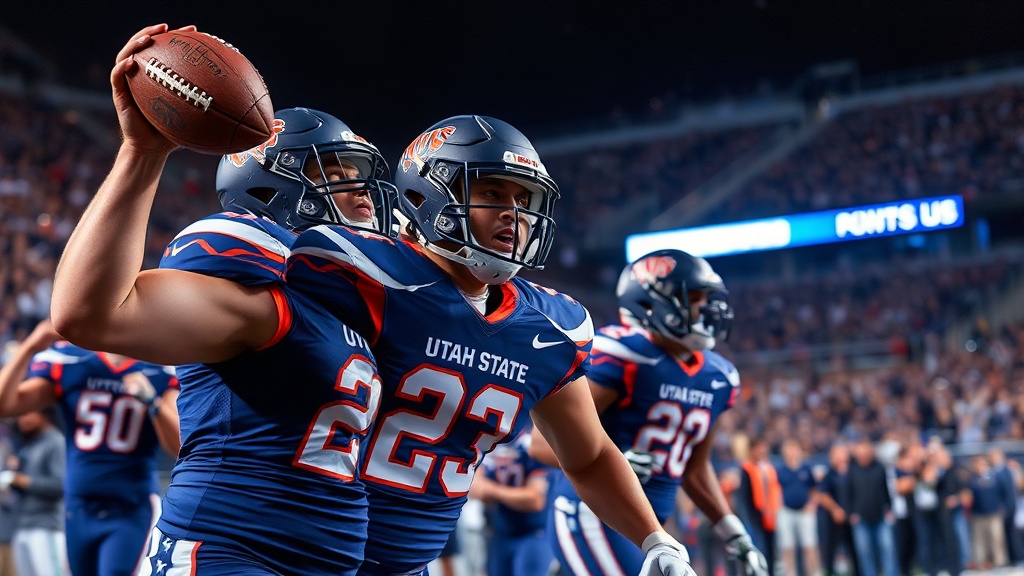
BYU Triumphs Over Utah: A Glimpse Into Future Coaching Prospects
BYU defeats Utah in a key rivalry game, prompting discussions on coaching futures and team strategies.
In a highly anticipated matchup that showcased the fierce rivalry between Brigham Young University (BYU) and the University of Utah, BYU emerged victorious with a decisive 27-17 win on Saturday. This game not only highlighted the competitive spirit of college football in Utah but also raised questions about the future of coaching in both programs, particularly regarding the potential of rising star Alex Jensen at BYU.
The game kicked off with palpable tension, as both teams entered the field amid cheers and jeers from their passionate fan bases. BYU, known for its strong offensive line and strategic gameplay, quickly set the tone. Quarterback Jaren Hall, who has been a pivotal player for the Cougars, threw for over 250 yards and three touchdowns, demonstrating both precision and poise under pressure. His performance was critical in establishing an early lead, which BYU maintained throughout the game.
Utah, known for its resilient defense and strong running game, struggled to find its rhythm early on. Despite a solid performance from quarterback Cam Rising, who completed 22 of 34 passes for 210 yards and a touchdown, the Utes could not overcome the early deficit. The BYU defense, led by linebacker Payton Wilgar, was relentless, forcing key turnovers and sacking Rising multiple times, which stifled any momentum Utah attempted to build.
As the game progressed, it became apparent that BYU’s preparation and execution were superior. The Cougars utilized a balanced offensive strategy, mixing both the passing and running games effectively. Running back Tyler Allgeier, who rushed for 120 yards, complemented Hall’s passing attack, allowing BYU to keep Utah’s defense guessing. This dual-threat capability proved critical in sustaining drives and maintaining possession.
In the second half, Utah attempted to mount a comeback, scoring a touchdown to cut the deficit to ten points. However, every time they seemed poised to shift the momentum, BYU responded with a crucial score, showcasing their ability to perform under pressure. The Cougars’ combination of offensive efficiency and defensive tenacity ultimately sealed the game, leaving Utah with unanswered questions about its strategy moving forward.
While the victory for BYU was significant, it also shone a light on the coaching landscape in Utah college football. Many fans and analysts are speculating about the future of head coach Kalani Sitake, who has revitalized the BYU program since taking over in 2016. His ability to recruit top talent and develop players has been a key factor in BYU’s recent successes, including this year’s victory over their rivals.
On the other side of the field, the conversation shifts to Utah’s coaching strategies under Kyle Whittingham, who has led the Utes since 2005. Whittingham has a proven track record, including multiple conference championships and a Rose Bowl appearance. However, after this loss, questions arise about the adaptability of the Utes’ playing style and their ability to compete against teams like BYU that have demonstrated significant growth.
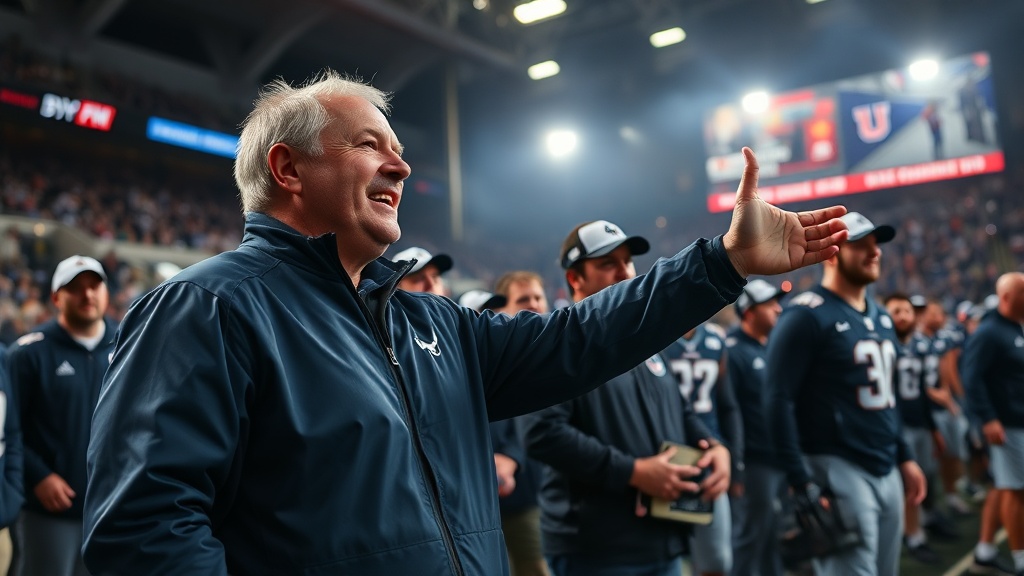
Emerging in the conversation is Alex Jensen, an assistant coach at BYU, who has been making waves in the coaching community. Jensen, who previously coached at the high school level and has been instrumental in developing BYU's younger players, is seen by many as a potential candidate for a head coaching position in the near future. His ability to connect with players and foster a positive environment for development echoes the successful path taken by former BYU coach Kevin Young, who has made a name for himself in the coaching ranks.
Jensen’s coaching philosophy prioritizes player development and teamwork, emphasizing the importance of building relationships on and off the field. Should he be given the opportunity to lead a program, many believe he could replicate Young’s success and bring fresh energy to a college football program.
As the dust settles from this significant matchup, BYU celebrates a well-earned victory, while Utah faces the challenge of regrouping and reassessing its approach. The rivalry game provided a snapshot of the current state of both programs, revealing BYU’s upward trajectory and Utah’s need for adaptation. As the season progresses, both teams will be looking to refine their strategies and solidify their places in the competitive landscape of college football.
In conclusion, while BYU’s victory over Utah was expected, it served as a reminder of the complexities of college football. The performance of both teams on that day will likely influence their paths moving forward, with potential implications for the coaching futures of both programs. For now, BYU basks in the glow of triumph, while Utah must confront the realities of its performance and strategize for future matchups. With rising stars like Alex Jensen in the wings, the future of Utah college football is filled with possibilities and challenges alike.