BYU Football Coach's Situation Highlights NIL Impact on College Sports
BYU is adapting to NIL agreements, enhancing its football program and recruitment strategies.
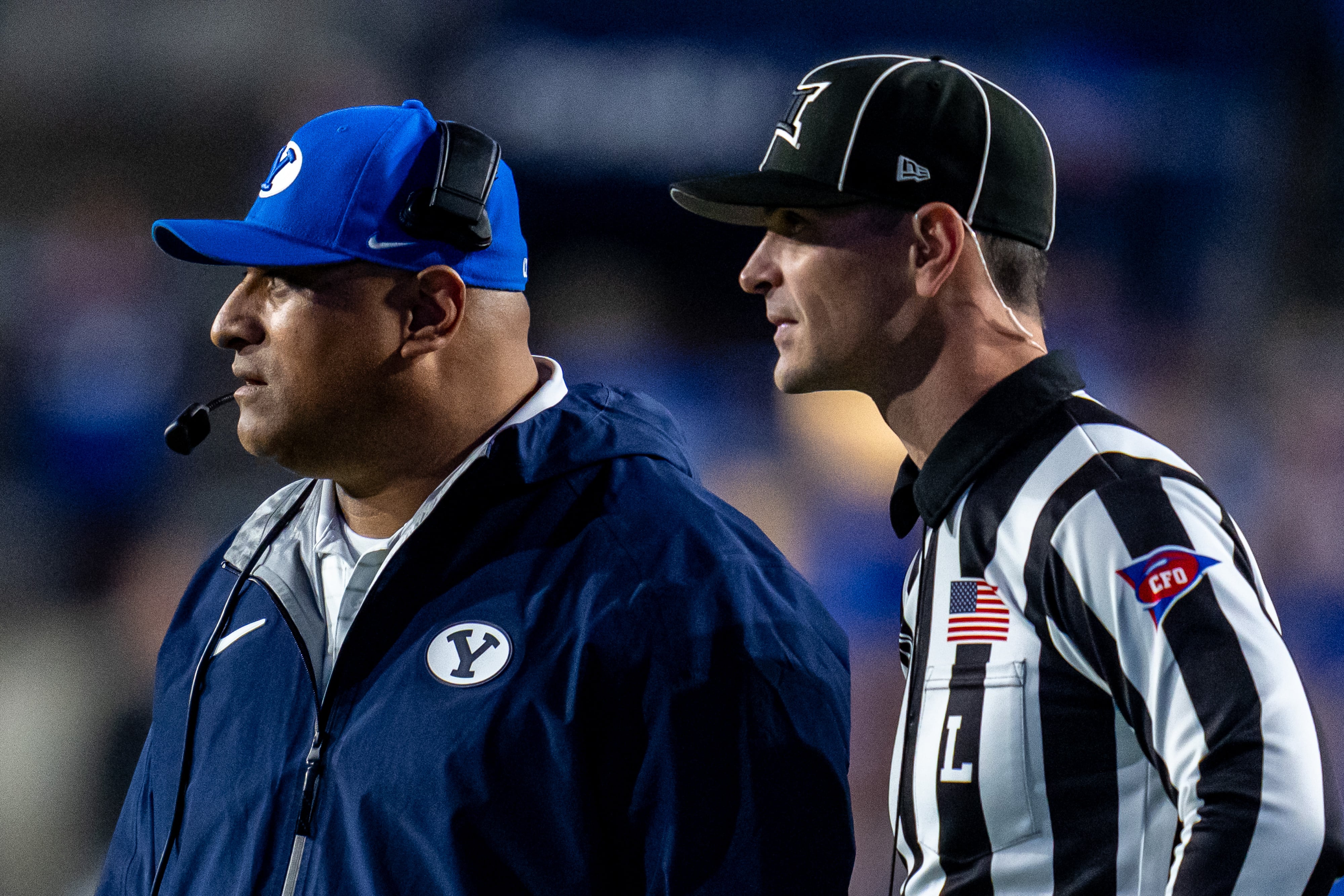
Brigham Young University (BYU) has taken significant steps in response to the evolving landscape of college athletics, particularly with the introduction of Name, Image, and Likeness (NIL) agreements. As the NCAA has allowed athletes to monetize their personal brands, universities across the nation have adapted to these changes, with BYU emerging as a proactive participant in this new environment.
The university has demonstrated its commitment to supporting its athletic programs financially, particularly in football. Recently, BYU has been reported to offer competitive NIL deals to its players, signaling its readiness to invest in talent and secure top recruits. This willingness to engage in NIL negotiations is part of a broader strategy to enhance the university's athletic reputation and performance on the field.
In the wake of these developments, the football program at BYU has seen increased interest from prospective athletes. The allure of NIL opportunities combined with the university's storied history in college football makes BYU an attractive option for many players. This shift represents not only a change in recruitment tactics but also a fundamental transformation in how college sports operate in the current era.
The impact of NIL deals is not limited to recruitment; it also extends to the overall athletic culture within the university. BYU's administration is working to ensure that athletes are educated on how to manage their newfound opportunities responsibly. This includes guidance on financial literacy, brand management, and the implications of their public personas.
As the landscape of college athletics continues to evolve, it remains to be seen how these changes will affect long-term recruitment, player development, and overall program success at institutions like BYU. The university's proactive stance on NIL is indicative of a broader trend in collegiate sports, where financial considerations are becoming increasingly prominent in shaping athletic programs and their futures.