Art Installation Celebrates Salt Lake City's Longest Transportation Challenge
A new art installation in Salt Lake City highlights long-standing transportation challenges, uniting community and culture.
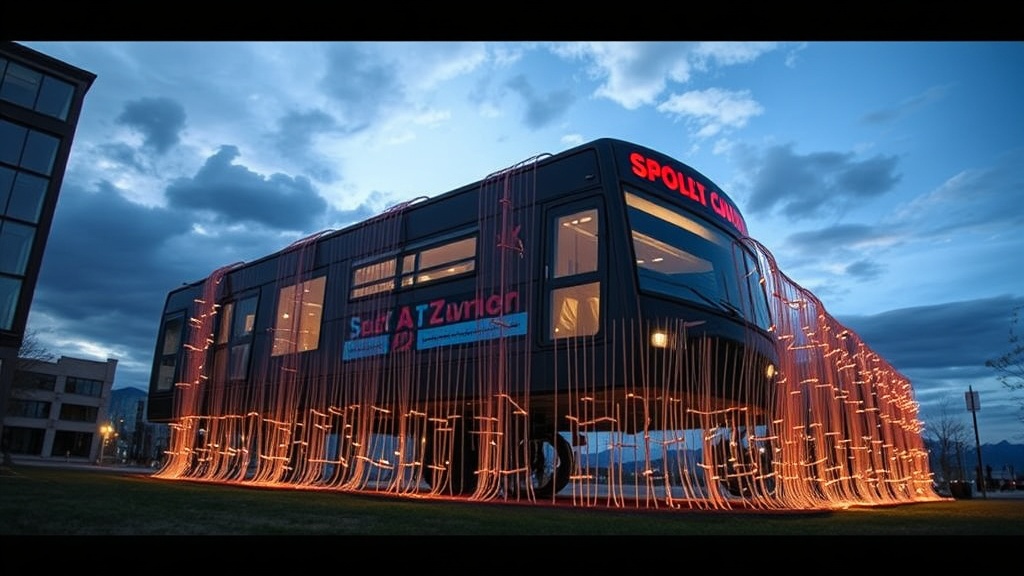
In a vibrant display of culture and community, a half-mile art installation inspired by traditional Mexican folk art has taken center stage at the intersection of 900 South and 600 West in Salt Lake City. This striking piece not only beautifies the area but also serves as a poignant reminder of the ongoing transportation challenges that have historically plagued this part of the city. Stretching across the critical west-east divide of Interstate 15 and the nearby rail tracks, the artwork highlights the complexities of urban navigation and connectivity that residents have faced for decades.
The installation, titled 'Bridges of Connection,' was officially unveiled on Thursday afternoon amid a gathering of local residents, artists, and community leaders. The project was spearheaded by a collaborative effort between the Salt Lake City Arts Council and multiple local artists, aiming to foster a sense of unity and resilience within the community. "Art has a unique way of communicating the struggles and triumphs of people, and this installation is a testament to our journey as a city," said Lucia Martinez, a prominent local artist who contributed to the project.
The artwork features a series of colorful murals that depict various themes related to transportation, community, and cultural heritage. Each segment tells a different story, reflecting the lives and experiences of those who traverse this vital corridor daily. As visitors stroll along the installation, they encounter vivid depictions of local history, diverse cultures, and the collective aspirations of Salt Lake City’s residents.
Historically, the area surrounding the intersection of 900 South and 600 West has been marked by significant transportation challenges. The construction of Interstate 15 in the mid-20th century divided neighborhoods, leading to a disconnection that has persisted for generations. The rail tracks further complicate the landscape, creating barriers that hinder seamless movement across the city. Community activists have long advocated for improved infrastructure and connectivity in this part of Salt Lake City, emphasizing the need for equitable access to resources and opportunities.
The unveiling of 'Bridges of Connection' comes at a time when local government and transportation officials are actively exploring solutions to these ongoing challenges. Recent studies have shown that improving access across this divide could enhance economic development and social cohesion in affected neighborhoods. City Council member Sarah Johnson addressed the crowd during the unveiling, stating, "As we celebrate this beautiful installation, we must also commit to addressing the very real issues that have impacted our community for too long. This art piece is not just for enjoyment; it is a call to action."
In addition to the visual appeal of the installation, organizers have incorporated interactive elements aimed at engaging the community further. QR codes placed throughout the art piece provide viewers with access to digital stories and testimonials from residents who have navigated the challenges of this area. The hope is that by sharing personal experiences, a deeper understanding of the community's struggles and aspirations can be fostered.
Local residents have responded positively to the installation, expressing appreciation for the way it captures their experiences and highlights the need for greater connectivity. Maria Garcia, a resident of the nearby neighborhood, remarked, "This art piece speaks to all of us. It reminds us that we are not alone in our struggles, and it inspires hope for a better future."
As Salt Lake City continues to grow and evolve, projects like 'Bridges of Connection' play a crucial role in shaping the cultural landscape of the city. They not only provide aesthetic value but also serve as important reminders of the historical and ongoing challenges that communities face. The installation invites residents and visitors alike to reflect on the past while envisioning a future where connectivity and accessibility are prioritized.
In conclusion, the art installation at 900 South and 600 West is more than just a visual spectacle; it encapsulates the essence of community resilience in the face of transportation barriers. As Salt Lake City moves forward, the hope is that initiatives like this will ignite conversations around urban planning and community engagement, ultimately paving the way for a more inclusive and connected city. With ongoing discussions and plans in motion, the journey towards addressing these challenges is just beginning, and the voices of the community will be essential in guiding that progress.