Angel Moroni's Trumpet Relocated After Earthquake Damage: A New Chapter
The original trumpet of Angel Moroni from the Salt Lake Temple finds temporary refuge at BYU's library after earthquake damage.
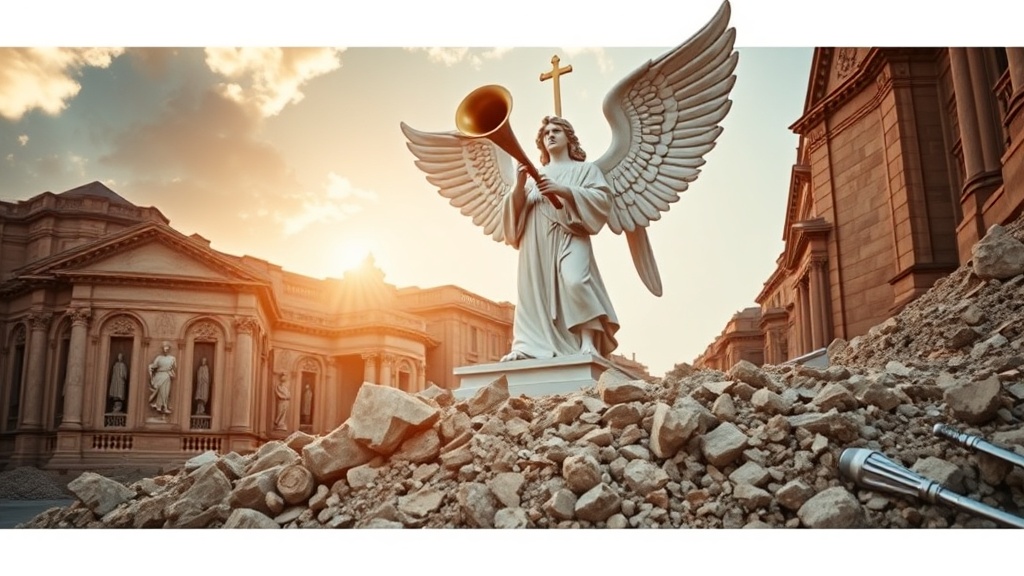
Provo — A significant piece of religious and architectural history has found a temporary refuge at the Harold B. Lee Library at Brigham Young University (BYU). The original trumpet, which was once held aloft by the golden Angel Moroni atop the iconic Salt Lake Temple, was dislodged during the 2020 Magna earthquake, a seismic event that registered 5.7 on the Richter scale and rattled much of northern Utah. This incident not only damaged the trumpet but also raised questions about the integrity of the historic temple's structure, prompting a thorough assessment by engineers and restoration experts.
The Angel Moroni statue, a defining symbol of The Church of Jesus Christ of Latter-day Saints (LDS Church), has stood atop the Salt Lake Temple since its completion in 1893. The golden figure, with its trumpeting posture, serves as a messenger of the gospel according to LDS beliefs and is a prominent feature of the Salt Lake City skyline. The trumpet itself, crafted from sheet metal and gilded with gold leaf, was a cherished representation of the faith's outreach to the world.
After the earthquake, concerns arose regarding the safety of both the statue and the temple itself. Engineers conducting inspections determined that the trumpet had fallen and sustained damage, but fortunately, the statue itself remained intact. "The integrity of the statue was preserved, which was a relief to us," stated Darin Southam, a spokesperson for the LDS Church. "However, we recognize the significance of the trumpet and its connection to the temple and the community."
Following consultations with preservation specialists, it was decided that the trumpet would be removed for restoration. This careful decision aimed to ensure that the artifact could be repaired and eventually returned to its rightful place atop the temple. However, for the interim, church officials sought a location that would honor the trumpet's significance while also allowing for public viewing. The Harold B. Lee Library, known for its extensive collections related to LDS history, was selected as a suitable temporary home.
The trumpet was carefully transported to BYU, where it now resides in a special display that highlights its historical importance. The library's director, Dr. John W. Welch, expressed excitement about hosting the artifact. "This trumpet is not just a piece of metal; it is a symbol of faith and resilience for many in our community," he remarked. "We are honored to be able to provide a space where people can appreciate its history and significance."
Visitors to the library can now view the trumpet up close, along with information detailing its history and the circumstances surrounding its fall. This exhibit aims to educate the public about the temple's architectural heritage and the ongoing efforts to preserve its legacy. The restoration process for the trumpet is expected to take several months, and church officials are optimistic about its eventual return to the temple, where it can once again fulfill its role in symbolizing the message of the gospel.
The Salt Lake Temple is currently undergoing a major renovation, which began in 2019 and is expected to continue for several years. This restoration project includes structural enhancements to better withstand future seismic events, as well as updates to various interior and exterior elements of the temple. The trumpet's fall, while unfortunate, has underscored the importance of this renovation, prompting church leaders to prioritize the safety and longevity of the historic site.
Furthermore, the incident has sparked conversations within the LDS community regarding the role of the temple as a spiritual refuge. Many members have expressed their desire for the temple to be a secure place of worship that can withstand natural disasters. "Our temples are sacred spaces, and we want to ensure they remain safe for future generations," stated local church leader Elder James L. Smith. "This incident has reminded us of the importance of maintaining these sacred buildings."
As the restoration of the trumpet progresses, church officials have expressed gratitude for the support and interest shown by the community. The decision to display the trumpet at BYU has also fostered a sense of connection among members of the church, who see the artifact as a symbol of resilience in the face of adversity. The church plans to keep the public informed about the restoration timeline and the eventual return of the trumpet to the Salt Lake Temple.
In conclusion, the saga of Angel Moroni's trumpet is a testament to the enduring significance of the Salt Lake Temple and its role in the lives of many Utah residents. As the trumpet awaits its restoration and return, it stands as a reminder of the intersection of faith, history, and community, all of which are epitomized in this beloved landmark. The careful handling of the trumpet's restoration reflects a broader commitment to preserving the cultural heritage that defines the LDS Church and its architectural treasures.